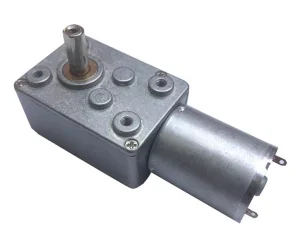
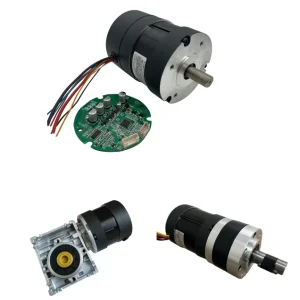
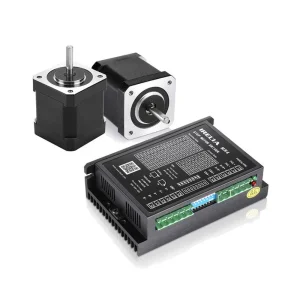
High-performance miniature motors designed for industrial automation, robotics, medical devices, and custom drive systems.
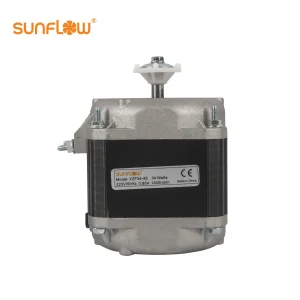
Understanding the mechanical benefits, efficiency matrix, and engineering paradigms of belt-driven motor assemblies.
Belt drive motor systems represent a cornerstone in modern industrial motion control, offering a unique blend of high torque transmission, mechanical shock isolation, and silent operation. Unlike direct-drive or heavy inline gearboxes, belt drive configurations utilize flexible belts and pulley dynamics to transmit power across parallel shafts. This mechanical separation prevents heat dissipation from transferring directly to delicate precision instruments and isolates high-frequency vibrational harmonics, making them ideal for ultra-precision applications.
From an engineering standpoint, the integration of DC brushed, brushless (BLDC), or planetary gear motors with a belt drive system allows for immense design flexibility. Designers can easily adjust speed-to-torque ratios simply by varying pulley diameters, eliminating the need to redesign the entire motor assembly. This modular flexibility reduces development costs and accelerates time-to-market for equipment manufacturers globally.
Furthermore, in scenarios where mechanical overload can occur—such as in automated conveyor blocks or robotic limbs—the built-in slip safety margin of belt drives protects the internal motor windings from permanent structural or electrical damage. This makes belt-driven solutions highly resilient in harsh industrial automation environments.
A critical look at the performance advantages of belt-driven motion profiles:
The technological, raw material, and supply chain dynamics driving the manufacturing dominance of Chinese precision motor factories.
Chinese motor manufacturers operate within mature industrial clusters that concentrate raw material processing, copper wire winding, precision CNC machining, and belt production within a tight geographic radius. This minimizes transport latency and facilitates rapid cross-company design optimization.
With direct access to premium Neodymium-Iron-Boron (NdFeB) permanent magnets, Chinese suppliers build exceptionally high-torque-density motors. This enables smaller motor profiles that deliver higher power outputs, critical for tight integration inside belt drive housings.
Chinese factories excel in fast tooling modifications for customized shafts, mounting flanges, and specialized pulley teeth profiles (e.g., GT2, HTD, or MXL pitches). OEMs receive custom-tailored samples within days instead of weeks, significantly streamlining the prototyping phase.
How belt drive motor configurations solve critical motion engineering problems across diverse sectors.
In diagnostics, medical centrifuges, and automated liquid handlers, quiet operation and vibration damping are critical. A belt-driven micro DC or brushless motor isolates electrical noise and physical vibration from sensitive sample assays, preventing assay disruption and sensor read errors.
E-commerce fulfillment centers require sorting lines that operate 24/7. Belt-driven gear motors provide high start-stop torque capacity, allowing conveyors to accelerate packages smoothly while isolating the motor bearings from the direct axial loads of tensioned conveyor belts, extending the operational life of the system.
Robotic arms and solar panel cleaning installations require reliable gear reduction that can withstand variable outdoor environments. Utilizing high-torque planetary or worm gear motors with robust belt drives enables flexible motor positioning, keeping the motor protected inside weatherized housings while transmitting high output torque to the active mechanical joints.
From high-volume commercial printers to smart vending machines, compact, low-noise brushed and brushless motors drive belt pulleys to move scanners, feed mechanisms, and dispensing actuators smoothly and reliably, maintaining a quiet, comfortable environment for end-users.
The technological advancements shaping the future of industrial motion control.
Industries are shifting from brushed DC motors to high-torque Brushless DC (BLDC) motors in belt drive systems. BLDC motors offer higher power density, longer service life, and more precise electronic control, making them ideal for dynamic applications.
Modern belt drive assemblies are incorporating integrated controllers, drivers, and high-resolution encoders directly onto the motor. This reduces external wiring, mitigates electromagnetic interference (EMI), and simplifies system integration.
The development of carbon fiber-reinforced polyurethane and high-grade synthetic rubbers has significantly reduced belt stretching and wear. This ensures near-zero backlash and consistent tension over long operational lifespans, eliminating the need for frequent manual adjustments.
Key technical criteria for engineering and procurement departments when selecting suppliers.
Ensure suppliers hold valid certifications such as ISO9001 and CE. For medical and precision instrument applications, verify compliance with RoHS and REACH standards to guarantee components meet environmental and safety requirements.
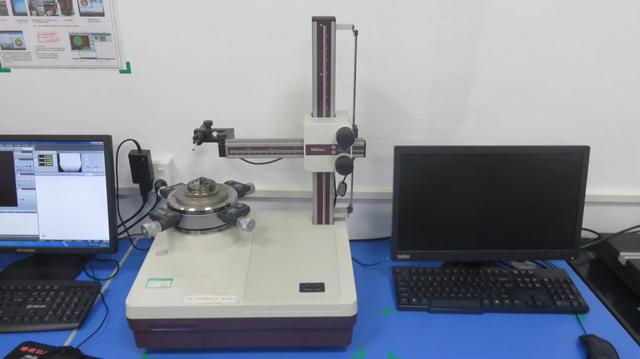
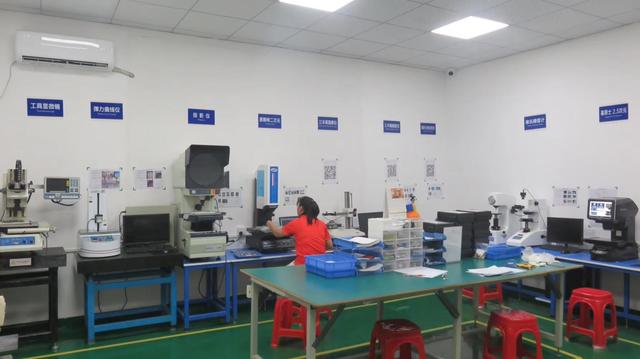
Partner with manufacturers who maintain in-house testing equipment, including dynamometers, environmental chambers, noise chambers, and 3D coordinate measuring machines. This ensures motor performance and dimensional tolerances are verified before shipping.
Select suppliers capable of modifying mechanical interfaces (such as D-cut, splined, or hollow shafts) and custom-wiring connectors, windings, and gear ratios. This flexibility allows for seamless integration into existing system architectures.
Verify that your manufacturing partner has robust raw material inventory strategies and established relationships with global logistics providers. This ensures consistent lead times and protects your production schedule from unexpected disruptions.
Your Premier Global OEM/ODM Partner for Miniature DC Motors and Precision Drive Solutions.
Chengdu KPM Minimoto Co., Ltd. is a professional mini DC motor manufacturer specializing in micro motors, gear motors, and precision drive solutions for a wide range of industrial and commercial applications. As an OEM and ODM manufacturing partner, the company provides customized motor solutions for equipment manufacturers, automation integrators, and technology companies around the world.
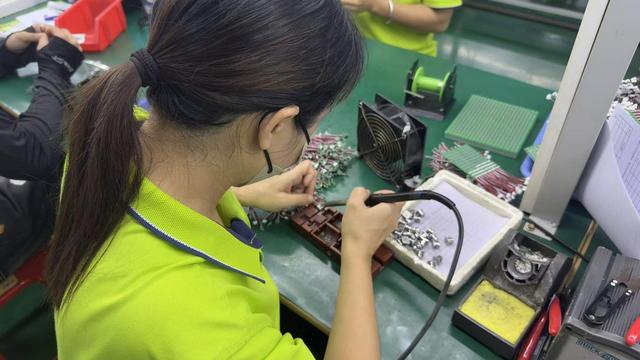
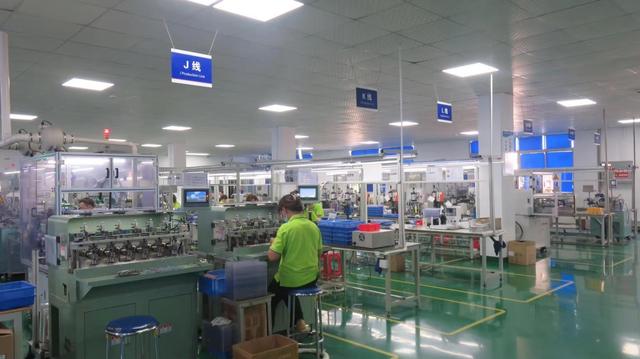
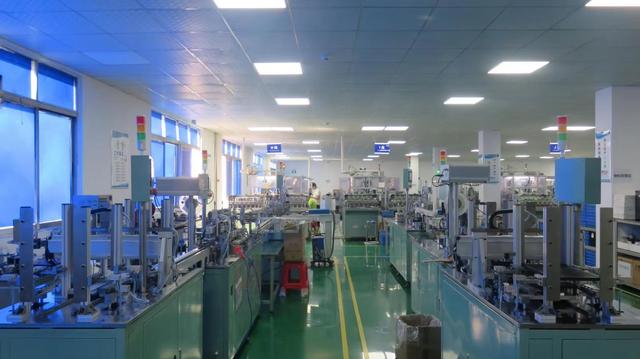
Founded in 2011 and headquartered in Chengdu, Sichuan Province, China, KPM Minimoto operates a modern production facility covering more than 7,500 square meters with a workforce of over 150 employees. The company integrates research and development, precision engineering, manufacturing, quality assurance, and global sales to deliver reliable motion control solutions tailored to customer requirements.
KPM Minimoto's product range includes mini DC motors, micro gear motors, planetary gear motors, brushless DC motors, coreless motors, encoder motors, and customized drive assemblies. These products are widely used in robotics, smart devices, medical equipment, office automation systems, household appliances, security equipment, vending machines, industrial automation, and precision instruments.
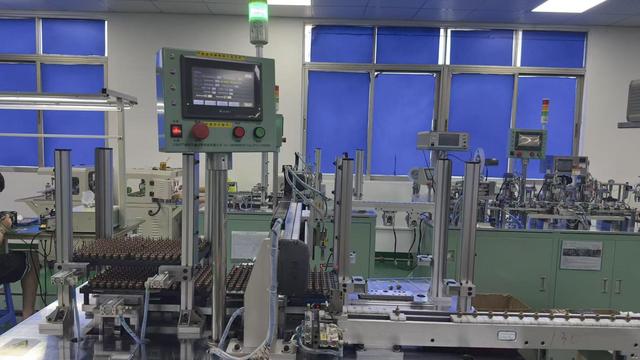
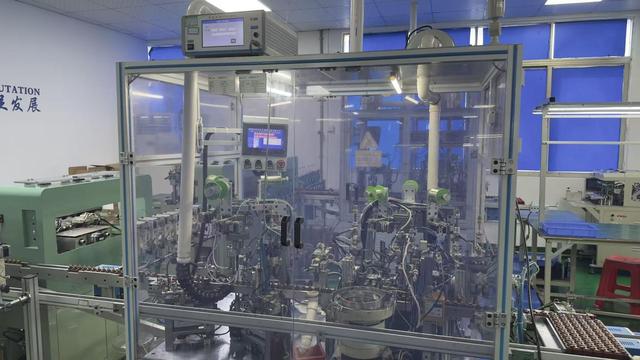
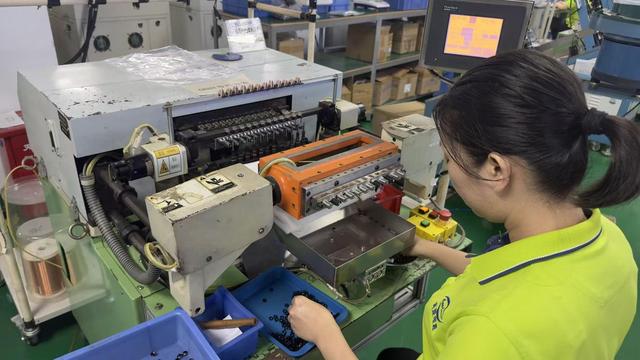
The company places strong emphasis on product consistency, performance, and innovation. Advanced production equipment, automated assembly lines, precision machining processes, and comprehensive testing systems are utilized throughout manufacturing to ensure dependable operation and long service life. KPM Minimoto also works closely with customers during product development to optimize motor performance, size, torque, speed, and energy efficiency for specific applications.
Serving customers across Europe, North America, Asia-Pacific, South America, and the Middle East, Chengdu KPM Minimoto Co., Ltd. has established long-term partnerships through reliable manufacturing capabilities and responsive technical support. The company remains committed to delivering precision motor solutions that help customers improve product performance, enhance operational efficiency, and accelerate innovation in competitive global markets.
Answers to common engineering and sourcing questions regarding belt drive motors.
Explore our diverse range of high-torque stepper, servo, harmonic, and worm gear motors.
 KPM Minimoto