Why do mini DC motors fail even when they meet their published specifications? Buyers often see a motor stop after weeks of service, with a warm casing, worn brushes, or a shaft that no longer turns freely. The cause may be the application, not a defective unit. A motor rated for intermittent operation can overheat when driven continuously, especially inside a sealed enclosure with little airflow.
The U.S. Department of Energy’s 2014 sourcebook, Improving Motor and Drive System Performance, estimates that motor-driven systems account for about 70% of industrial electricity use. That figure covers industrial systems broadly, not miniature DC motors, but it underscores how operating conditions shape motor performance. IEC 60034 standards provide established methods for rating and testing rotating electrical machines; they do not offer a universal failure rate for mini motors. Reliable failure data specific to small DC motors remain limited. That matters.
For buyers, the practical risks are more concrete: excessive current, repeated stalls, brush and commutator wear, bearing friction, vibration, and heat trapped by poor mounting. Brushless designs avoid brush wear, but can still fail through bearing damage, controller problems, or unsuitable electrical conditions. Small motors are unforgiving. A brief stall can raise current sharply, while a few millimeters of misalignment can add persistent side load. These details deserve more attention than a headline torque figure. Before choosing a motor, compare the real load, duty cycle, startup demand, ambient temperature, and available airflow with the manufacturer’s test conditions. The gap between a specification sheet and the finished product is often where trouble begins.
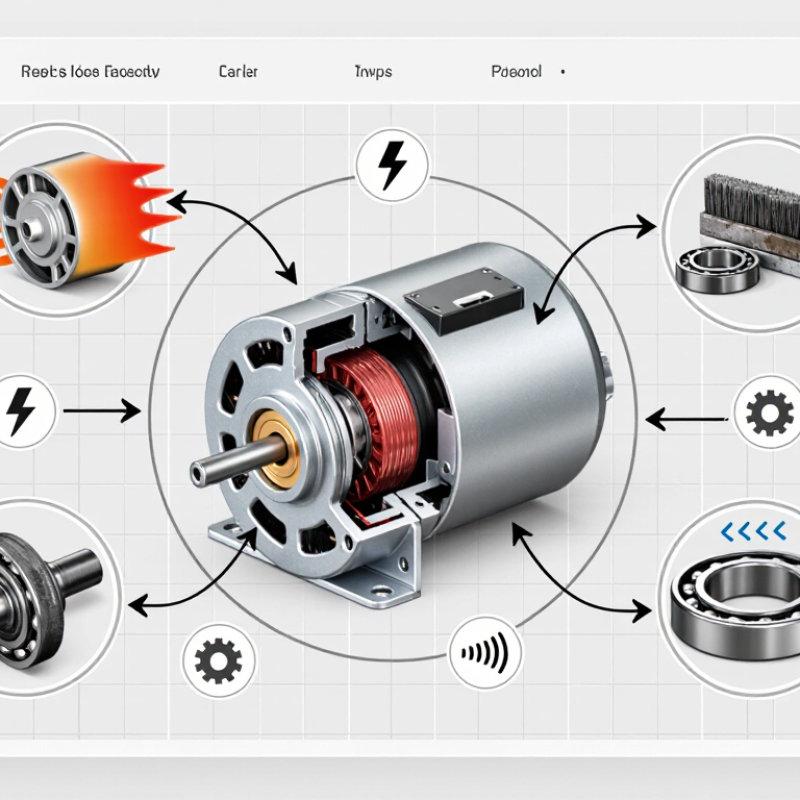
For buyers in 2026, a mini DC motor failure is more than a stopped shaft. It can mean a delayed assembly, extra inspection, and replacement labor. The risk often begins with a mismatch: a motor runs near its stall load, overheats inside a tight enclosure, or faces dust and vibration beyond its rating. A small motor can fail quickly when heat has nowhere to escape. That detail is easy to miss on a specification sheet.
Industry data offers context, but not a direct prediction for mini motors. The U.S. Department of Energy’s 2014 guide, Improving Motor and Drive System Performance, estimates that motor-driven systems use about 68% of U.S. manufacturing electricity. An IEEE survey of large industrial motors reported bearings and stator windings among leading failure categories. Those figures should not be applied directly to miniature DC motors; their construction and operating conditions differ. That is an uncomfortable data gap. Buyers should request application-specific endurance results, rated-load conditions, and temperature-rise measurements rather than rely on a generic service-life claim.
Tips: Check startup current, duty cycle, mounting, and airflow in the real assembly. Ask how life testing was performed. A test at room temperature may not reflect a warm, enclosed product. Keep a small sample running under actual load before committing to volume.
A mini DC motor can fail even when its voltage rating looks close to the power supply. The important figure is the voltage measured at the motor terminals under load, not just the battery’s label. Long, thin wires or a weak supply can cause voltage drop. A motor may then struggle to turn, run slowly, or draw more current in some operating conditions.
Too much voltage can push a motor beyond its intended speed and increase heat and mechanical stress. Electrical overload is also common when a shaft is jammed, a load is too heavy, or the motor starts repeatedly. Current produces heat in the windings, and heating rises sharply as current increases. Heat builds fast. The insulation can weaken, brushes can wear sooner, and a small motor may fail without much warning.
Check the motor’s rated voltage and expected current against the actual load. Measure voltage while it is running, and compare startup or stall current with the supply and driver limits. Tiny motors notice. Allow cooling time during repeated starts, and avoid leaving a stalled motor powered. One detail is easy to miss: a motor that feels only warm during a brief test may overheat during continuous use. A short bench check is not a full duty-cycle test.
| Why Do Mini DC Motors Fail? 2026 Top Causes for Buyers — How Voltage Mismatch and Electrical Overload Damage Motors | ||||
|---|---|---|---|---|
| Failure Cause | What Happens Inside the Motor | Common Warning Signs | What Buyers Should Check | Practical Prevention |
| Supply voltage above the motor’s rating | Higher voltage can increase speed and current, depending on the motor and its load. Excessive current raises winding heat and can damage insulation, brushes, or the commutator. | Unusually high speed, rapid heating, excessive noise, brush arcing, or early failure. | Compare the supply voltage with the motor’s rated voltage. Check the voltage at the motor terminals while it is operating, not only at the power supply. | Use a correctly rated supply and suitable voltage regulation. Allow for battery charging voltage, supply variation, and voltage spikes. |
| Supply voltage below the motor’s rating | The motor may produce insufficient torque. If it stalls or runs heavily loaded, it can draw high current and overheat even though the applied voltage is low. | Slow start, reduced speed, failure to start under load, repeated stopping, or a warm motor. | Measure the voltage at the motor during startup and under load. Inspect wiring, connectors, switches, and battery condition for voltage drop. | Choose a supply and wiring system that maintain the required voltage under the actual operating load. |
| Electrical overload or excessive mechanical load | Motor current generally rises as the required torque increases. Sustained overload creates heat in the windings and may exceed the motor’s thermal limits. | Current above the expected operating level, slow running, hot housing, or a protective device that trips. | Measure running current with the intended mechanism attached. Compare it with the motor’s datasheet limits and operating duty. | Reduce friction or load, select a motor with adequate torque capacity, and use suitable current or thermal protection. |
| Stall or blocked shaft | A stalled brushed DC motor has no back electromotive force from rotation, so current can rise substantially. The resulting heat can damage the windings and commutator quickly. | The shaft does not turn, the motor draws a large current, or the motor heats rapidly after startup. | Check for jammed gears, obstructed mechanisms, misalignment, and loads that prevent startup. Review the motor’s stall-current specification. | Prevent jams where possible and use a current limit, fuse, or control that cuts power promptly during a stall. |
| Frequent starts, stops, or reversals | Starting and reversing can produce brief current peaks and additional thermal and mechanical stress. Repeated cycles may exceed the motor’s rated duty. | Heating during intermittent operation, accelerated brush wear, or failures after many cycles. | Evaluate startup frequency, reversal timing, load inertia, and the motor’s specified duty cycle. | Use a controller with appropriate ramping or reversal delays, and select a motor rated for the required cycle pattern. |
| Incorrect power-supply or controller selection | A supply that cannot handle startup current may sag or shut down. A controller with inadequate current or voltage ratings may overheat or fail. | Unexpected resets, voltage dips, controller overheating, intermittent operation, or damaged switching components. | Check continuous and peak current ratings, output voltage, current-limit behavior, and compatibility with the motor’s startup and stall current. | Size the supply and controller for the real load and startup conditions. Follow manufacturer specifications for protection and wiring. |
| Poor heat dissipation or unsuitable ambient conditions | Heat from electrical losses builds up when airflow is restricted or the surrounding temperature is high. Higher winding temperature can shorten insulation life. | Motor temperature rises during normal operation, performance changes as it warms, or nearby parts also become hot. | Check ambient temperature, enclosure ventilation, mounting, operating duration, and the motor’s thermal or duty-cycle ratings. | Provide adequate ventilation, reduce continuous load when needed, and choose a motor suited to the enclosure and environment. |
| Contamination, moisture, or corrosion | Dust and debris can obstruct moving parts or increase wear. Moisture and corrosion can impair electrical connections and damage components. | Intermittent operation, increased friction, visible corrosion, unusual noise, or inconsistent current. | Inspect the motor, connectors, and mechanism for dust, moisture, corrosion, and evidence of restricted movement. | Select appropriate environmental protection, keep the motor clean and dry, and protect exposed connections. |
| Excessive friction, misalignment, or worn bearings | Mechanical resistance increases the torque required from the motor. The resulting higher current and heat can accelerate electrical and mechanical wear. | Grinding or squealing, vibration, uneven rotation, increased current, or a shaft that turns stiffly by hand. | Check shaft alignment, bearing condition, gear mesh, lubrication requirements, and mechanical drag with power disconnected. | Align components correctly, follow specified maintenance practices, and avoid side loads beyond the motor’s design limits. |
| Buyer note: Exact voltage, current, temperature, and duty-cycle limits depend on the motor design. Use the individual motor datasheet and measure conditions in the finished application. A low supply voltage does not necessarily protect a motor from overload or stalling. | ||||
Heat often starts with a simple mistake: sizing a mini DC motor only for its nominal load. A stalled shaft can sharply increase current, heating the windings and softening nearby insulation. Repeated hot starts may cause damage before the motor shows obvious symptoms. A casing that feels merely warm does not reveal winding temperature.
Friction adds a quieter failure path. Misaligned couplings, excessive bearing preload, dust, or a dry sleeve bearing can raise drag. The motor then draws more current to maintain speed, creating more heat. An IEEE Industry Applications Society survey of industrial motor failures reported bearings at 41% and stator windings at 37%. Those figures describe larger industrial motors, not miniature DC units, but they show why mechanical wear and heat deserve close attention.
For buyers, test samples under the real voltage, load, mounting angle, and duty cycle. Record current and case temperature, then listen for grinding and check shaft play after repeated runs. Brush wear can also leave dark residue near the commutator. A short bench test may look reassuring. It can still miss the failure that appears after hours of vibration or frequent starts. A better test includes the actual enclosure and airflow; small details there are easy to overlook.
Heat raises the resistance of a motor’s copper windings. This chart shows the approximate resistance increase relative to 20°C, calculated using copper’s temperature coefficient of 0.00393 per °C. It illustrates a physical relationship, not measured motor failure rates.
Friction and wear in bearings, brushes, and commutators can increase drag and heat, accelerating damage. Keeping loads, lubrication, and operating temperatures within the motor’s specifications helps reduce these risks.
Mini DC motor life depends on more than its rated voltage. Build quality shows in details such as straight shafts, secure end caps, consistent winding insulation, and smooth-running bearings. A shaft that wobbles under light load may point to poor alignment or loose support. Small details matter. In brushed motors, uneven brush contact can increase electrical noise and wear. In brushless designs, weak solder joints or poor internal balancing can create trouble over time. Buyers should compare rated speed and torque with the actual application, not rely on a single headline specification.
Operating conditions can shorten service life quickly. A motor pushing a tight mechanism draws more current, which creates extra heat in the windings. Heat adds up. Frequent starts, abrupt reversals, blocked ventilation, and dusty surroundings also increase stress. Keep the motor within its specified voltage and duty cycle, and check its temperature during a realistic test run. If the housing becomes too hot to touch comfortably, pause and investigate rather than assuming the motor is simply “working hard.” That judgment is imperfect; surface temperature alone cannot reveal winding temperature. Still, unusual noise, slower startup, or a burning smell are practical warning signs. Mounting alignment matters too: even a slight sideways load can wear bearings faster than expected.
A mini DC motor that slows, stalls, or runs hot is giving you useful clues. Start with the symptom, not a replacement order. Disconnect the power, then inspect the shaft for grit, bent couplings, or a tight gearbox. Turn it gently by hand. It should move smoothly, though geared motors may offer some resistance. A rough spot can point to worn bearings or internal damage.
Check the supply voltage while the motor is running, not just at the battery terminals. A thin wire or weak connection can cause a voltage drop under load. Measure current too, if you have a suitable meter. High current with little movement often suggests a jam, excessive load, or damaged winding. Low current and weak torque may indicate poor brush contact or an open connection. These clues overlap. A single reading rarely tells the whole story.
Heat needs context. A motor may warm during normal operation, but rapid heating after a few seconds deserves investigation. Compare its temperature and current with the maker’s stated limits, and repeat the test without the attached mechanism. If it runs freely unloaded but struggles when installed, check alignment and load before blaming the motor. I have seen a tiny shaft misalignment mimic an electrical fault. Easy to miss. Record voltage, current, run time, and temperature; without those details, diagnosis becomes guesswork.
Check voltage at the motor terminals while it runs. Long, thin wires or a weak supply can cause voltage drop.
It can drive the motor too fast, increasing heat and mechanical stress. Tiny motors notice.
A jammed shaft can raise current sharply. Windings heat up, and insulation may weaken.
Yes. Hot starts can build heat before damage becomes visible. Allow cooling time between starts.
No. The windings may be hotter than the casing feels. A short test is not enough.
Misaligned couplings, tight bearings, dust, and dry sleeve bearings can add friction. Listen for grinding.
Record running voltage, current, and case temperature under the real load and mounting angle. Check shaft play afterward.
The enclosure and airflow affect cooling. A bench test may miss problems that appear after hours of use. It is easy to overlook.
In 2026, understanding why do mini DC motors fail can help buyers choose suitable motors, use them correctly, and spot problems early. Common causes include a mismatch between the motor’s rated voltage and the power supply, excessive electrical load, and repeated overloading. These conditions can lead to overheating, reduced performance, or damage to internal components. Heat, friction, and normal wear also take a toll, especially when a motor runs for long periods or operates under demanding conditions.
Motor life depends not only on how it is used but also on build quality and the surrounding environment. Poorly made components, inadequate ventilation, dust, and frequent starts and stops may increase the risk of failure. Buyers can begin troubleshooting by checking the supply voltage, load, temperature, operating noise, and shaft movement. Comparing these signs with the motor’s specifications can help distinguish an electrical issue from mechanical wear and guide a more informed replacement or maintenance decision.

KPM Minimoto