China Top 10 Tips for Choosing a Motor for Medical Equipment?

Time:2026-07-06 Author:Liam
0%

When it comes to selecting a motor for medical equipment, many factors come into play. Understanding how to choose a motor for medical equipment is crucial for ensuring the safety and efficiency of devices. Medical motors need to meet specific standards and requirements that ensure reliability and precision in operation. Many professionals struggle with this process, often due to a lack of guidance and knowledge.

In this context, evaluating motor types, sizes, and power specifications is essential. For example, some applications may require a compact design, while others benefit from higher torque capabilities. Additionally, the choice between brushed and brushless motors can significantly impact performance. Price is a consideration too, but it shouldn't compromise quality. Every detail matters when every second counts in the medical field.

It's important to stay informed about the latest technology and trends in motor design. Reflections on past choices, successes, and failures can drive better decision-making. Researching reputable manufacturers can add credibility to your selection process. Ultimately, the right motor can enhance the functionality and safety of medical devices, making it essential for healthcare providers.
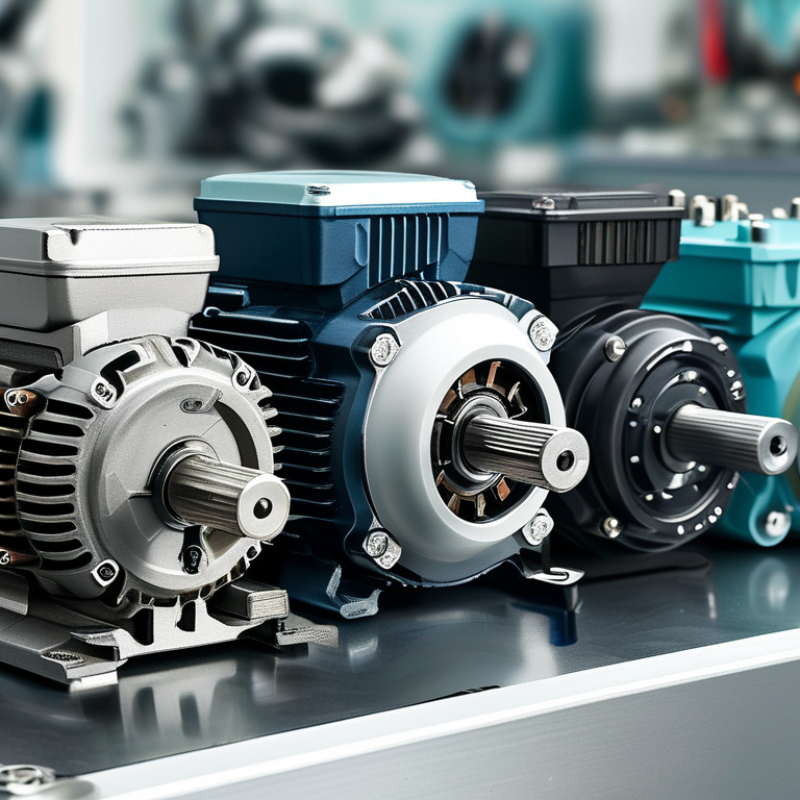
China Top 10 Tips for Choosing a Motor for Medical Equipment?

Understanding the Types of Motors Used in Medical Equipment

When selecting a motor for medical equipment, understanding the types available is essential. Various motors play vital roles in devices like MRI machines, infusion pumps, and surgical robots. DC motors are efficient for devices requiring burst operation and rapid start-stop cycles. These motors provide precise control of speed and torque, attributes crucial in medical applications.

Stepper motors offer a unique advantage. They operate in discrete steps, allowing for precise positioning. This characteristic is important for applications like imaging systems where accuracy is paramount. However, their performance can decline under heavy loads, a factor to consider while choosing.

Brushless motors have gained popularity due to their reliability and low maintenance needs. They produce less heat and noise, making them suitable for sensitive environments. However, they can be more complex to control. Additionally, the motor's compatibility with existing systems should be assessed. Understanding these nuances can lead to better decisions, ensuring the equipment functions effectively and safely. Choosing the right motor is not just about specifications; it's also about understanding the specific needs of each medical application.

Comparison of Motor Types Used in Medical Equipment

Key Performance Metrics for Medical Equipment Motors

When selecting a motor for medical equipment, performance metrics are essential. One crucial factor is torque. Motors must provide sufficient torque to manage various applications, from actuating surgical tools to driving pumps. Insufficient torque can lead to equipment failure, impacting patient care and outcomes.

Another important metric is speed variability. Certain medical devices require precise speed control. For instance, a motor in imaging equipment must adjust smoothly to provide clear images. Inadequate speed regulation may result in blurred visuals, hampering diagnostics. Reliability comes from consistent performance under varying conditions.

Lastly, energy efficiency is vital in medical settings. Motors consume substantial power, which can increase operational costs. An efficient motor reduces waste while ensuring functionality and longevity. It's beneficial to balance these metrics based on specific applications to enhance overall performance. Each choice made reflects the overall quality of patient care delivered.

Evaluating Efficiency Ratings and Energy Consumption Standards

Evaluating the efficiency ratings of motors for medical equipment is crucial. Motors need to meet strict standards. Efficiency ratings often indicate the energy consumed in operation. An efficient motor reduces costs and enhances performance.

According to the International Electrotechnical Commission (IEC), motors in medical devices should achieve an efficiency of at least 85%. This standard helps ensure that equipment operates effectively without excessive energy waste. A key consideration is the load factor. Many motors function at less than ideal load conditions, which can significantly impact their efficiency.

Energy consumption standards are evolving. The Department of Energy (DOE) in the United States emphasizes the importance of high-efficiency motors. They suggest that upgrading to better motor technologies can lead to energy savings of up to 10%. However, implementing new motors can introduce challenges. It is essential to assess the compatibility with existing systems. Understanding the balance between efficiency and cost is a real concern for many organizations. These dilemmas reflect the ongoing evolution in medical equipment design.

China Top 10 Tips for Choosing a Motor for Medical Equipment

Tip Number Evaluation Criteria Importance Level Recommended Standard Typical Efficiency (%)
1 Motor Type High Brushless DC 85-95
2 Power Consumption High < 100W N/A
3 Noise Level Medium < 50 dB N/A
4 Size and Weight Medium Compact Design N/A
5 Driving Voltage High 24V - 48V N/A
6 Thermal Management High Efficient Cooling N/A
7 Control Method Medium Closed-loop Control N/A
8 Durability High IP54 or Better N/A
9 Compliance Standards High IEC 60601 N/A
10 Cost Efficiency Medium < $500 N/A

Assessing Safety and Compliance Standards for Medical Motors

When selecting a motor for medical equipment, assessing safety and compliance standards is critical. Medical devices must adhere to rigorous regulations. In many countries, motors used in these devices must comply with ISO 13485, which outlines quality management systems for medical device manufacturers. In 2022, the global medical motor market reached 6.5 billion USD, highlighting its importance in the healthcare sector.

A common oversight is neglecting to evaluate the motor's certifications. Motors should be certified by recognized bodies, ensuring they meet safety standards like IEC 60601. This standard is vital for electrical equipment in medical applications. It defines the necessary safety and performance criteria. Regularly checking for updated certifications can prevent compliance issues.

Choosing motors that minimize risks is essential. Look for those with built-in safety features. These features can reduce the chances of failure. Many manufacturers provide detailed data sheets. Reviewing these documents can offer insights into the motor's reliability. Ensure data sheets include test results. Such transparency boosts confidence in the motor’s performance.

The Importance of Supplier Reliability and Support in Medical Motor Selection

Choosing the right motor for medical equipment involves more than just performance specifications. It’s crucial to acknowledge the importance of supplier reliability and support. Medical applications often require motors that operate under stringent standards. A supplier's track record in the industry can give you confidence in their product durability.

Reliability becomes essential when dealing with life-saving devices. Delays or malfunctions can have serious consequences. Therefore, selecting a supplier known for prompt customer service and technical support can mitigate risks. Having access to expertise is invaluable. It helps ensure that any issues are addressed immediately.

Consider the availability of spare parts when evaluating suppliers. A reliable partner should provide easy access to replacements and technical advice. This ongoing support can influence the long-term performance of your medical equipment. Suppliers should not just sell a product; they need to foster a partnership that benefits both parties. Thus, carefully choosing a supplier with a strong support infrastructure is critical.

FAQS

: What types of motors are commonly used in medical equipment?

: Common types include DC motors, stepper motors, and brushless motors. Each serves distinct applications.

How do DC motors benefit medical devices?

DC motors offer efficient burst operation and precise control of speed and torque during use.

What are the advantages of using stepper motors?

Stepper motors provide precise positioning in discrete steps, crucial for imaging systems' accuracy.

Can stepper motors perform well under heavy loads?

Their performance may decline under heavy loads, which is an important consideration for applications.

Why are brushless motors becoming popular in medical equipment?

They are reliable, require low maintenance, and produce less heat and noise.

What should be considered about a motor's compatibility?

It's essential to assess how well the motor integrates with existing systems for optimal performance.

Why is supplier reliability crucial in motor selection?

Supplier reliability ensures that motors meet stringent standards and perform effectively in life-saving devices.

How can supplier support impact equipment performance?

Access to technical support and spare parts helps to address issues quickly, enhancing long-term performance.

What role does customer service play in supplier selection?

Prompt customer service can reduce risks associated with delays or malfunctions in critical medical devices.

Should suppliers only focus on selling products?

No, suppliers should build partnerships that provide ongoing support and benefits for both parties.

Conclusion

When considering how to choose a motor for medical equipment, it's crucial to understand the various types of motors commonly used, as they play a vital role in the functionality of medical devices. Evaluating key performance metrics, such as torque, speed, and responsiveness, is essential to ensure optimal operation. Additionally, examining efficiency ratings and energy consumption standards can significantly impact long-term operational costs and sustainability.

Assessing safety and compliance standards is imperative, as medical motors must adhere to stringent regulations to ensure patient safety and equipment reliability. Lastly, the reliability of suppliers and the support they offer can greatly influence the selection process. A dependable supplier can provide necessary insights and assist in navigating the complex landscape of medical motor specifications, ensuring the chosen motor meets all performance and safety requirements.

Liam

Liam

Liam is a dedicated marketing professional with a profound expertise in the industry, where he excels at highlighting the unique advantages of our core products. With a keen understanding of market trends and consumer needs, Liam frequently updates our company’s professional blog, providing......