Why Should You Learn How to Reduce Noise in Mini DC Motors?

Time:2026-06-28 Author:Oliver
0%

Noise reduction in mini DC motors is becoming increasingly important in various industries. As these motors are widely used in robotics, automotive applications, and consumer electronics, managing noise levels is critical for performance and user experience. According to a recent industry report by the International Electromechanical Research Institute, noise generated by motors can impact over 50% of product satisfaction ratings.

Expert Mark Thompson, an authority in motor technology and noise control, emphasizes the significance of this topic. He states, "Learning how to reduce noise in mini DC motors is essential for enhancing product excellence." The complexity of this task requires a blend of engineering skills and innovative techniques.

Implementing effective noise reduction solutions can significantly improve the overall efficiency of a product. However, many engineers overlook this aspect, leading to operational inefficiencies. It's vital to address noise issues early in the design process. Unexamined, these factors may lead to greater challenges later on. An intentional focus on how to reduce noise in mini DC motors could lead to advancements that benefit both manufacturers and consumers.
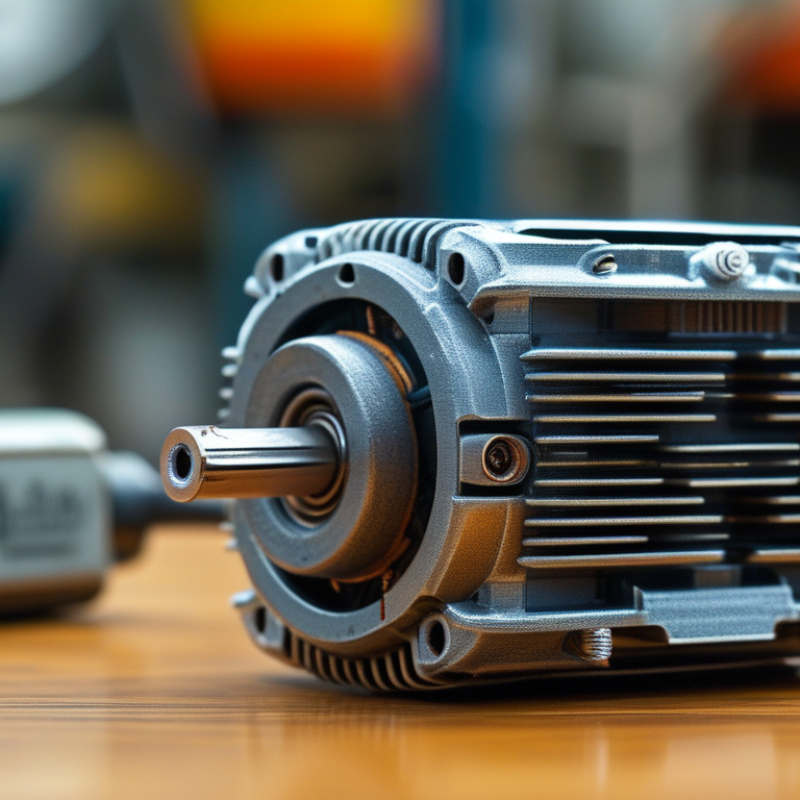
Why Should You Learn How to Reduce Noise in Mini DC Motors?

Importance of Noise Reduction in Mini DC Motors

Noise reduction in mini DC motors is essential for various applications. From household appliances to robotics, noise can significantly affect performance and user experience. Excessive noise can lead to distractions and can even reduce the lifespan of the motor. Thus, understanding the factors that contribute to noise is key for engineers and hobbyists alike.

Improving noise levels often involves analyzing motor design and components. The choice of materials can influence vibrations, which, in turn, cause noise. Many don't realize that small changes in motor alignment or mountings can lead to significant differences in sound levels. Additionally, lubrication and bearing quality play vital roles in minimizing friction, thus reducing unwanted noise. Emphasizing precision during assembly and installation is crucial; even minor imperfections can create additional sounds.

While striving for silence, it's equally important to balance performance with noise reduction. Some noise is inevitable, and complete silence may not be achievable. This reflection prompts ongoing innovation in motor technology. Understanding the importance of noise management fosters a culture of continuous improvement in engineering practices.

Common Sources of Noise in Mini DC Motors

Mini DC motors are commonly used in various applications, from hobby projects to industrial machines. Yet, they often produce noise that can be disruptive. Understanding the common sources of this noise enhances our ability to mitigate it.

One primary source of noise is vibration. This occurs when the rotor is unbalanced or misaligned. Vibrations create an irritating sound, affecting overall performance. Improper mounting of the motor can also amplify this problem. Regular maintenance and careful installation could address these issues.

Another significant contributor is electrical noise. It arises from rapid switching in commutation. This can create high-frequency sounds that can be annoying in quiet environments. Ensuring proper filtering in the power supply can help reduce this effect. All systems require attention to detail, especially when aiming for quieter operation. These nuances often get overlooked but are crucial for optimal functionality and user experience.

Techniques for Reducing Noise in Mini DC Motors

Reducing noise in mini DC motors is crucial for numerous applications. These motors are often used in electronics, toys, and even precision instruments. Excessive noise can lead to user dissatisfaction and indicate potential mechanical issues. Understanding how to reduce this noise enhances product quality and longevity.


One effective method to reduce noise is to employ sound-dampening materials. These materials can absorb vibrations and minimize the sound produced during operation. Choosing the right mounts for the motor also plays a role; rubber grommets can decouple the motor from the chassis. Lubrication is another essential step. Proper lubrication can decrease friction, leading to quieter operation. Yet, excessive lubrication may cause other problems.


Tuning the motor's speed is another technique. Lower speeds generally produce less noise, but they may affect performance. Balancing the rotor can also help; an imbalanced rotor can create vibrations, resulting in more noise. Every solution comes with trade-offs. Regular testing and adjustments are necessary to fine-tune the balance between noise reduction and functionality. These practical approaches can improve the overall efficiency of mini DC motors.

Impact of Noise Reduction on Performance and Longevity

Noise in mini DC motors can significantly affect their performance and longevity. Excessive noise often indicates underlying issues such as poor lubrication or misalignment. Addressing these issues not only enhances the user's experience but also extends the motor's lifespan. By focusing on noise reduction, you can observe improved efficiency and reliability in mechanical operations.

When motors operate quietly, they consume less energy. Reduced friction through effective lubrication plays a crucial role here. Properly lubricated motors can last longer and run more efficiently. However, some users may overlook the importance of regular maintenance. Neglecting this aspect can lead to increased wear and noise, which ultimately affects performance.

It's essential to understand that not all noise is detrimental. Some sounds can help diagnose problems early. Users should learn to distinguish between normal operational sounds and those indicating issues. This skill can prevent costly repairs and enhance the reliability of your mini DC motor systems. Failing to recognize this can lead to frustrating consequences down the road.

Why Should You Learn How to Reduce Noise in Mini DC Motors? - Impact of Noise Reduction on Performance and Longevity

Parameter Before Noise Reduction After Noise Reduction Impact on Performance Impact on Longevity
Operational Noise (dB) 75 55 Improved user experience Reduced wear and tear
Efficiency (%) 80 85 Higher torque output Longer operational life
Heat Generation (°C) 90 70 More stable operation Extended motor life
Vibration Level (mm/s) 2.5 1.0 Smoother operation Improved component stability

Applications and Benefits of Quiet Mini DC Motors

Mini DC motors are increasingly popular in various applications, from robotics to home appliances. One significant benefit of these motors is their potential for quieter operation. This is crucial in settings where noise reduction is essential, such as in medical devices or residential areas. A quiet mini DC motor enhances the user experience and meeting regulatory noise standards becomes easier.

Reducing noise in these motors involves understanding their design and functionality. Vibration dampening techniques can help mitigate sound. Using high-quality materials can also reduce noise levels. However, achieving the perfect balance between performance and quiet operation can be challenging. Sometimes, quieter motors may lead to less power efficiency. Engineers must carefully consider these trade-offs when designing for minimal noise.

Moreover, there's a common misconception that all mini DC motors are inherently noisy. This is not true. By implementing various strategies, it's possible to produce sleek, quiet motors tailored for specific needs. This requires innovative thinking and a commitment to constant improvement. Reflecting on design choices can lead to breakthroughs in noise management, paving the way for advanced applications.

FAQS

: Why is noise reduction important in mini DC motors?

: Noise reduction enhances performance and user experience in various applications, like household appliances and robotics.

What factors contribute to noise in mini DC motors?

Noise can result from motor design, component materials, alignment, lubrication, and bearing quality.

How can material choice affect noise levels?

The materials used can influence vibrations, which are key contributors to noise production during motor operation.

What role does lubrication play in reducing noise?

Proper lubrication minimizes friction and noise, but too much lubrication can lead to mechanical issues.

How can motor alignment impact sound levels?

Minor misalignments in installation can lead to significant increases in unwanted noise.

What is one method to dampen noise in motors?

Using sound-dampening materials can absorb vibrations and reduce sound during operation effectively.

Can motor speed adjustments impact noise?

Yes, lowering the motor's speed generally reduces noise, but it may also affect overall performance.

Why is balance important for the rotor?

An imbalanced rotor can cause vibrations and increase noise levels, so maintaining balance is crucial.

Is complete silence achievable in mini DC motors?

Complete silence is unlikely; some noise is inevitable, prompting ongoing innovation in motor technology.

How do engineers continuously improve noise management?

Understanding noise management fosters a culture of improvement, leading to better engineering practices and innovation.

Conclusion

Reducing noise in mini DC motors is crucial for enhancing their efficiency and longevity. The common sources of noise in these motors often include mechanical vibration, friction, and electromagnetic interference. Understanding how to reduce noise in mini DC motors can lead to the implementation of various techniques, such as optimizing the motor design, using high-quality bearings, and incorporating noise-dampening materials. By effectively reducing noise, not only can the performance of mini DC motors be improved, but their operational lifespan can also be extended.

Applications that benefit from quieter mini DC motors are prevalent across several industries, including robotics, consumer electronics, and automotive sectors. The advantages of utilizing quiet mini DC motors include improved user experience, reduced disturbance in sensitive environments, and overall enhanced product quality. Thus, learning how to reduce noise in mini DC motors presents significant benefits for both manufacturers and end-users.

Oliver

Oliver

Oliver is a seasoned marketing professional with a wealth of expertise in driving brand awareness and engagement. With a deep understanding of our company's product offerings, he consistently delivers high-quality content that enriches our professional blog. His insights not only shed light on......