Understanding what factors affect mini DC motor efficiency is essential for buyers. Efficiency impacts performance and operating costs significantly. According to a report by the Electric Motor Association, mini DC motors can vary in efficiency by over 20% depending on design and application. This variation can greatly influence the buyer's choice.
Expert Dr. James Thornton highlights, "The design, materials, and operational environment determine the efficiency of mini DC motors." This insight emphasizes the need for buyers to consider these factors thoroughly. For instance, the choice of materials used in the motor construction can affect weight and energy consumption.
Many buyers overlook these critical factors. They might focus solely on price, ignoring efficiency implications. This approach can lead to higher costs in the long run. Understanding what factors affect mini DC motor efficiency ultimately leads to more informed and economically viable decisions.
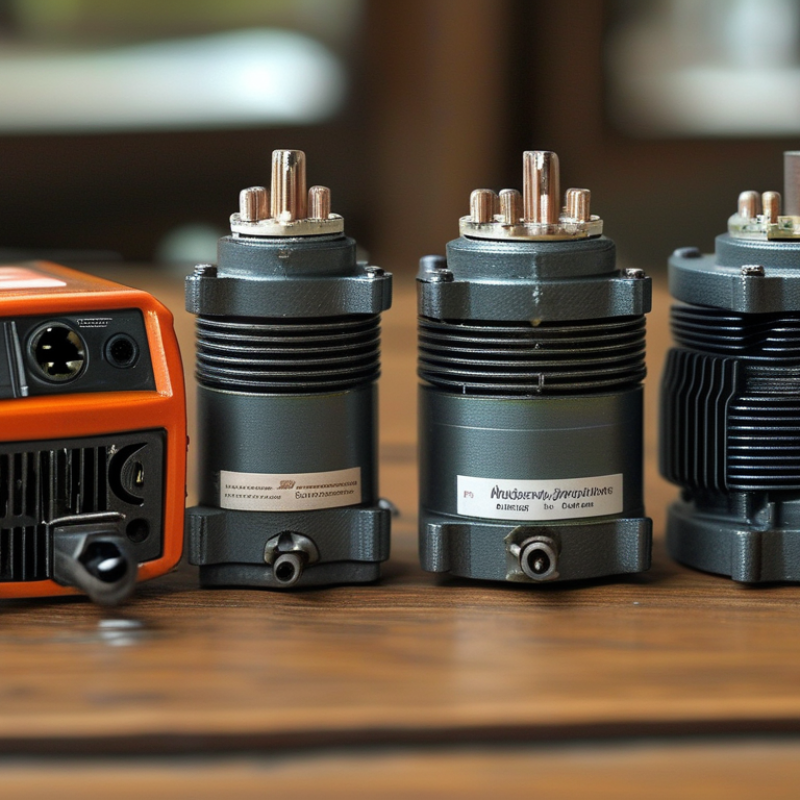
When considering mini DC motors, power consumption is a critical factor. Buyers often overlook how design affects energy usage. The motor’s construction—materials, winding, and size—plays a significant role. High-quality materials can lead to better performance but may increase costs. A lightweight design can help reduce power draw, but compromising on structure could impact durability.
Another element influencing efficiency is the load. Under optimal loads, motors perform well. Excessive load causes them to draw more power, which can wear them out faster. The environment where the motor operates matters too. For example, higher temperatures can increase resistance within the motor, leading to higher energy consumption.
It’s crucial to match a motor’s specifications with its intended use. Potential buyers should ask whether they are making choices that truly align with their needs. Sometimes, manufacturers focus on performance figures rather than real-world application. This tendency can create a gap between expectations and actual efficiency. Reflecting on these details can lead to more informed purchasing decisions.
When considering the efficiency of mini DC motors, load conditions play a crucial role. These motors operate under different loads depending on their application. Light loads can lead to higher speeds, but may not utilize the motor's full potential. Conversely, heavy loads can stress the motor, causing it to consume more energy and generate heat.
Overloading a mini DC motor can result in decreased efficiency. It's essential to find a balance between load and performance. In some cases, users may underestimate the required torque. This could lead to unexpected failures or reduced lifespan. Monitoring the load conditions regularly can help in making necessary adjustments.
Understanding the impact of load conditions is vital for buyers. By analyzing performance under various loads, one can make informed decisions. Efficiency, in this context, is not just about speed; it’s about finding the right fit for the application. A well-matched motor will perform optimally, resulting in energy savings and longer operational life. This careful consideration of load impacts will ultimately enhance both performance and reliability.
This chart illustrates the efficiency of mini DC motors at different load conditions, showcasing the relationship between load and efficiency. As the load increases, motor efficiency can vary significantly, highlighting the importance of considering load characteristics when selecting a mini DC motor.
Material quality plays a crucial role in the efficiency of mini DC motors. When buyers choose motors, they often overlook how materials impact performance. High-quality materials can significantly enhance torque and reduce energy loss. For instance, copper windings instead of aluminum can improve electrical conductivity. This choice leads to better efficiency, especially in intricate designs.
Tips: Always check the specifications regarding material types. Don't settle for vague descriptions. Understanding materials can save you from future inefficiencies.
Another key aspect is the insulation used. Not all insulation is created equal. Higher temperature ratings ensure durability and prevent deterioration under heavy load. Make sure to review whether the insulation can handle your intended operational conditions.
Tips: Assess the thermal management details in the product description. Poor insulation can lead to overheating, reducing lifespan and efficiency.
Remember, aesthetic designs may tempt beginners, but functionality is paramount. Knowing the interplay between material quality and motor performance aids in making informed decisions. Durable materials lead to longer-lasting motors. Take time to learn about different materials before purchasing. This awareness can make a notable difference in your motor's efficiency.
Efficiency in mini DC motors is highly influenced by design and construction details. A well-thought-out motor design can significantly enhance performance. Key elements include winding type, materials, and rotor construction. For instance, using high-grade copper for windings reduces resistance, leading to improved efficiency. Reports show that motors with optimized lamination in the stator can achieve efficiency rates of over 90%.
Construction techniques also play a critical role. Precision in assembly affects air gaps, influencing magnetic efficiency. A smaller air gap can lead to better power transfer, but this requires meticulous engineering. To illustrate, slight misalignments can drop performance levels by as much as 10%. Moreover, the choice of bearings impacts friction and, consequently, overall efficiency. Selecting high-quality ball bearings can minimize energy losses during operation.
Underestimating these factors can result in subpar motor performance. Buyers often overlook the importance of these details, leading to underwhelming results. An investment in a well-designed motor can yield measurable efficiency gains. Such decisions require careful consideration and a deeper understanding of motor mechanics. Efficiency isn’t just about power; it’s about intelligent design and construction.
Environmental conditions play a crucial role in the efficiency of mini DC motors. Temperature fluctuations can directly impact motor performance. High temperatures may cause overheating, leading to a reduction in efficiency. Cold environments can also hinder performance, increasing resistance in the motor.
Humidity is another factor to consider. High humidity levels may lead to moisture accumulation inside the motor. This can result in corrosion or electrical issues, which affect overall functionality. Dust and debris in the surrounding area can also clog vents and cause overheating.
Furthermore, the power supply stability is essential. Sudden voltage fluctuations can compromise a motor's performance. Buyers should evaluate the electrical environments where mini DC motors will operate. Understanding these factors can help in making informed decisions. Remember, it's essential to analyze all conditions before purchasing.
| Factor | Description | Impact on Efficiency (%) | Recommended Value |
|---|---|---|---|
| Temperature | Higher temperatures may increase resistance | -10% to -15% | <20°C (68°F) |
| Humidity | High humidity can lead to corrosion | -5% to -10% | <60% RH |
| Load Condition | Variability in load can impact efficiency | -15% to -20% | Optimal load specified by the motor |
| Vibration | Excessive vibration can cause wear | -5% to -10% | Minimized through damping systems |
| Power Supply Quality | Fluctuations can affect performance | -5% to -15% | Stable voltage supply |
: Load conditions significantly impact performance. Light loads may lead to high speeds, but underutilize the motor's potential.
Overloading can decrease efficiency. It may cause the motor to consume more energy and generate excess heat.
High-quality materials improve torque and reduce energy loss. They are crucial for enhanced electrical conductivity.
Insulation with higher temperature ratings ensures durability. It prevents overheating and deterioration under heavy loads.
Key design aspects include winding type, materials, and rotor construction. These factors greatly affect overall efficiency.
Precision affects air gaps, which influence magnetic efficiency. Misalignments can lead to significant drops in performance.
High-quality bearings minimize friction. This reduces energy losses during operation, enhancing overall efficiency.
Always review specifications regarding material types, insulation quality, and design details for optimal performance.
Buyers often overlook the importance of design and material quality. This can lead to underwhelming performance and inefficiencies.
Efficiency involves finding the right motor fit for your application. Intelligent design and quality materials matter more.
Understanding what factors affect mini DC motor efficiency is crucial for buyers seeking optimal performance. Key influences include power consumption, which is affected by motor load conditions; varying loads can significantly alter a motor's efficiency. Additionally, the quality of materials used in the construction of the motor plays a vital role, as superior materials typically lead to better performance and longevity.
Motor design and construction techniques also impact efficiency, with innovative designs often capable of reducing energy losses. Finally, environmental conditions such as temperature and humidity can further affect motor efficiency, emphasizing the importance of considering these variables during the selection process. Buyers should carefully evaluate these factors to ensure they choose a mini DC motor that meets their efficiency needs.

KPM Minimoto