2026 How to Discover the Advantages of Micro Motors?

Time:2026-07-01 Author:Henry
0%

Micro motors are revolutionizing various industries, offering unprecedented advantages. As compact devices, they deliver high efficiency and precision, making them integral to modern technology. According to a report by MarketsandMarkets, the global micro motors market is projected to reach $4.70 billion by 2026, showing an annual growth rate of 10.9%. This growth clearly reflects an increasing demand for products that utilize these small yet powerful motors.

So, what are the advantages of micro motors? Their compact size allows for innovative designs in electronics, robotics, and automotive sectors. This adaptability is crucial, given the ongoing miniaturization trend in technology. Furthermore, micro motors can achieve impressive power outputs while maintaining energy efficiency. A study by Grand View Research highlights that energy efficiency is vital for companies striving to reduce operational costs and environmental impact.

However, the industry must address challenges such as compatibility and cost. Not all applications benefit from micro motors. Companies need to carefully analyze their requirements before adopting these solutions. Despite these concerns, the benefits of micro motors in enhancing performance and efficiency are clear, making them a crucial area for exploration and investment.
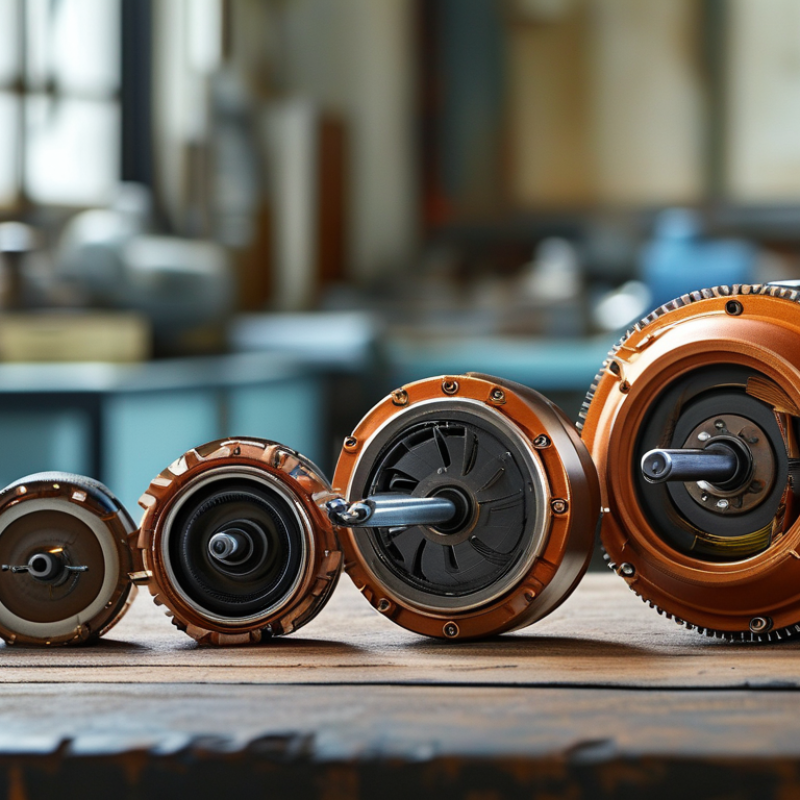
2026 How to Discover the Advantages of Micro Motors?

Micro Motors: An Overview of Their Role and Applications in Industry

Micro motors have rapidly transformed various industries through their compact and efficient design. These tiny powerhouses offer high precision and control, making them ideal for applications in robotics, medical devices, and consumer electronics. Their ability to deliver power in a limited space is particularly advantageous. They operate silently and with minimal energy consumption, which is critical for battery-operated gadgets.

In the medical field, micro motors drive devices such as surgical tools and implants. These tools require precise movement and reliability. In robotics, their compact size allows for more flexible designs, enabling robots to perform intricate tasks. However, manufacturers must consider limitations such as heat generation and wear over time. These factors can affect performance and lifespan, highlighting the need for ongoing research and development in micro motor technology.

Despite their numerous advantages, there are challenges. Integration into existing systems can prove difficult. Choosing the correct micro motor requires expertise in specifications and design requirements. Users need to evaluate factors such as torque, speed, and load capacity. A lack of understanding can lead to inefficiencies. The industry must focus on education and resource sharing to combat these issues and fully exploit the potential of micro motors.

Key Advantages of Micro Motors in Precision Engineering and Automation

Micro motors are gaining traction in precision engineering and automation. Their compact size allows for innovative designs that push boundaries. With their ability to deliver high performance in confined spaces, micro motors enhance the capabilities of various applications. This is particularly important in sectors like robotics and medical devices, where precision is critical.

When considering micro motors, keep these tips in mind. Evaluate the torque and speed requirements for your specific application. Finding the right balance can greatly affect efficiency. Moreover, understand the operational environment. Temperature, humidity, and exposure to dust are factors that can impact performance.

Micro motors offer a range of advantages, but they aren’t flawless. Manufacturing complexities can sometimes lead to inconsistent performance. This may require regular monitoring and adjustments. Engineers must be proactive in addressing these challenges to maximize the benefits of micro motors in their designs. Embrace the potential, but be prepared for the need for careful management.

Market Trends: Growth Projections for Micro Motors in 2026

As we approach 2026, the micro motors market is showing compelling growth projections. Industries are increasingly recognizing the efficiency these small devices bring. Their applications span robotics, automotive, and consumer electronics. In fact, micro motors are essential in creating more lightweight and energy-efficient products. This shift aligns with the global push for sustainability and innovation.

Analysts foresee a significant rise in demand for micro motors. They expect a compound annual growth rate of over 10%. This is driven by advancements in technology and increasing automation in manufacturing. However, challenges remain. Developing reliable micro motors that meet strict performance standards is not easy. Companies must invest in research and development to overcome these hurdles.

Moreover, integration into existing systems can be complex. Businesses must ensure compatibility with their current technologies. Investing time upfront can lead to long-term gains. Industry players need to remain agile to adapt to evolving market needs. The success of micro motors depends not only on innovation but also on practical applications. Emphasizing reliability and efficiency will be key to capitalizing on this growing market.

Market Trends: Growth Projections for Micro Motors in 2026

Comparative Analysis: Micro Motors vs. Traditional Motors in Performance

Micro motors and traditional motors serve different roles in various applications. Micro motors are notably smaller and lighter, making them ideal for compact devices. They can provide high precision in tasks requiring fine movements. These advantages make them useful in robotics, drones, and medical devices.

In contrast, traditional motors typically deliver higher power. They excel in heavy-duty applications where torque is crucial. However, they are often bulkier and less efficient for small-scale tasks. The choice between the two often depends on specific needs. It’s interesting to note that while micro motors have innovative designs, their fragility can be a concern.

Maintenance is also a factor to consider. Traditional motors are easier to repair due to their simpler construction. In contrast, micro motors might require specialized knowledge for servicing. This can lead to higher costs in the long run. Balancing performance needs with reliability remains a challenge in many engineering projects.

Technical Innovations Driving Efficiency and Functionality in Micro Motors

In recent years, micro motors have gained traction due to their impressive efficiency and multifunctionality. These tiny devices are becoming essential in various industries, from medical equipment to automotive applications. Their compact size allows for integration into small spaces without compromising performance. Technical innovations are driving this advancement, enhancing their reliability and energy consumption.

Innovative designs are redefining micro motor capabilities. New materials are being used to improve durability. Advances in sensor technology allow for better feedback and control, enhancing precision. With a blend of higher torque and lower power consumption, micro motors are becoming the go-to choice for engineers. However, these improvements require careful consideration during the selection process.

Tip: When evaluating micro motors, consider both the application and the environment. The motor's efficiency must align with specific operational demands. Another crucial aspect is the heat management system. Overheating can impact performance, leading to premature failures. Keep this in mind during the design phase to prevent potential issues. Perfection is an aim, but understanding limitations will lead to better choices.

FAQS

: What are micro motors used for?

: Micro motors are used in robotics, automotive, and consumer electronics for their efficiency and compactness.

How fast is the growth projected for micro motors?

The micro motors market expects a compound annual growth rate of over 10% by 2026.

What challenges do companies face with micro motors?

Companies must ensure reliability and compatibility in existing systems, which can be complex and costly.

How do micro motors compare to traditional motors?

Micro motors are smaller and precise, while traditional motors are bulkier and better for high-power applications.

What causes higher maintenance costs for micro motors?

Micro motors require specialized knowledge for servicing, making repairs potentially more expensive than traditional motors.

What innovations are enhancing micro motor efficiency?

New materials and improved sensor technology are increasing their reliability and reducing energy consumption.

Why is heat management important for micro motors?

Overheating can lead to performance issues and shorten the motor's lifespan, making management essential.

How should one evaluate the suitability of a micro motor?

Consider both the specific application and the operational environment to ensure efficiency and reliability.

What is a key factor affecting the adoption of micro motors?

Balancing performance needs with reliability is crucial in many engineering projects for successful integration.

Are there limitations to micro motor designs?

Yes, while innovative, their fragility poses challenges, leading to questions about their long-term durability.

Conclusion

Micro motors have emerged as vital components in various industrial applications, owing to their compact size and precision capabilities. These miniature devices excel in precision engineering and automation, offering significant advantages such as increased efficiency, reduced energy consumption, and enhanced performance in tight spaces. As industries look toward the future, notably in 2026, the demand for micro motors is expected to surge, driven by technological innovations that continue to improve their functionality and reliability.

Understanding what are the advantages of micro motors helps businesses recognize their potential for transforming processes, particularly when compared to traditional motors. The ongoing advancements in micro motor technology, alongside market trends projecting significant growth, suggest a robust future for these components. Their ability to deliver high performance while occupying minimal space positions them as essential tools in various sectors, further solidifying their role in modern engineering and automation solutions.

Henry

Henry

Henry is a dedicated marketing professional with a profound expertise in the company's offerings. With years of experience in the industry, he possesses an impressive understanding of the market dynamics and consumer behaviors that drive success. Henry is committed to sharing his insights through......