Top 10 Ways to Customize Mini DC Motors for Your Needs?

Time:2026-07-26 Author:Mason
0%

Mini DC motors are versatile components used in countless applications. From robotics to model airplanes, they drive innovation in various fields. Understanding how to customize a mini DC motor for specific applications can significantly enhance performance. Each project has unique demands. Selecting the right customization technique is crucial.

Many users wonder how to adjust speed, torque, or form factor. Simple changes can make a substantial difference. For instance, altering gear ratios can boost torque without sacrificing speed. Additionally, adjusting voltage and current can help achieve specific performance targets.

It is vital to consider the application thoroughly. Some modifications may lead to unintended consequences. For instance, adding too much power can overheat the motor. Therefore, careful planning and testing are essential. A well-customized motor can outperform stock options. Experimentation often reveals insights. Adapting a mini DC motor involves both technical skill and creativity. Embrace the learning process, and discover how to transform a basic motor into a tailored solution.
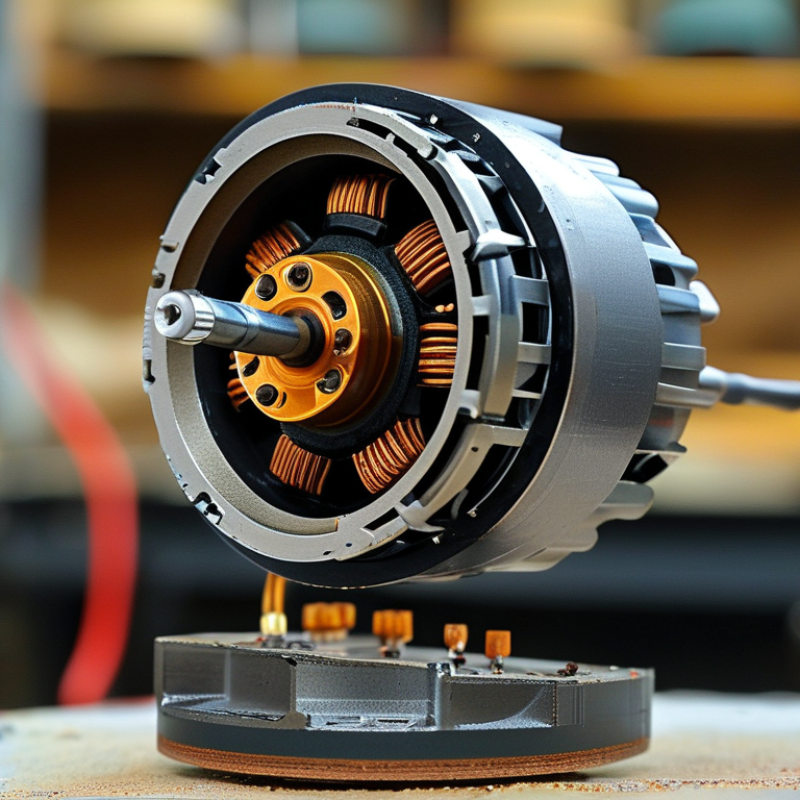
Top 10 Ways to Customize Mini DC Motors for Your Needs?

Exploring the Basics of Mini DC Motors: Types and Applications

Mini DC motors are essential components in various applications. They are widely used in robotics, toys, and automotive systems. According to a recent report by MarketsandMarkets, the global mini DC motor market is expected to grow significantly, with a projected CAGR of 8.2% from 2021 to 2026. This growth is driven by the increasing demand for automation in industries.

These motors come in different types, including brushed and brushless variants. Brushed mini DC motors are simpler in design and cost-effective, making them suitable for basic tasks. In contrast, brushless motors, while more complex, offer higher efficiency and longevity. Applications vary from precision instruments to automation systems in factories. However, users must consider factors like torque and voltage ratings. Data indicates that improper selection can lead to performance issues or even motor failure.

Customization options are crucial for optimizing performance. Adjustments may involve altering gear ratios or modifying the motor housing. Tailoring these aspects can enhance the motor's efficiency for specific tasks. Nonetheless, customers should be mindful of potential limitations. Some modifications may compromise reliability or operational life. Balancing performance and durability is key to successful motor customization in real-world applications.

Top 10 Ways to Customize Mini DC Motors for Your Needs

Customization Method Description Benefits
Changing Voltage Adjusting the voltage supply for different speed and torque. Control over speed and power consumption.
Using Gear Reduction Implementing gears to increase torque and reduce speed. Improved torque output for heavy loads.
Adding Sensors Integrating sensors for feedback and control. Increased precision and automation capabilities.
Custom Housing Designing a unique casing for improved durability or specific needs. Enhanced protection and aesthetics.
Adjusting PWM Signal Modifying pulse-width modulation for speed control. More energy-efficient operation.
Using Different Commutation Types Choosing between brushed and brushless configurations. Considerations for maintenance and longevity.
Upgrading Bearings Replacing standard bearings with higher-quality options. Reduced friction and increased lifespan.
Implementing Thermal Management Adding heatsinks or cooling solutions. Prevention of overheating during operation.
Custom Rotor Design Designing rotors for specific performance characteristics. Optimized performance for specific applications.

Understanding the Importance of Torque and Speed in Motor Customization

When customizing mini DC motors, understanding torque and speed is essential. Torque defines the motor's ability to do work. It influences how much weight the motor can move and how quickly. Speed, on the other hand, measures how fast the motor turns. Balancing these two factors ensures the motor meets specific requirements.

Selecting the right gear ratio is critical. A higher gear ratio increases torque but reduces speed. Conversely, a lower ratio boosts speed at the expense of torque. Experimenting with different ratios provides insights into performance. Adjusting these aspects can lead to more efficient designs.

Tip: Regularly test your motor with varying loads. This helps you observe how torque changes. Maintain careful notes on performances. A small change can make a big difference in application. You might discover adjustments that enhance efficiency or performance.

Monitoring temperature during operation is also important. Motors can overheat if pushed beyond their limits. High temperatures can affect torque and speed, impacting longevity. Ensure adequate cooling for optimal performance. Consider using fans or heat sinks as part of your design. These small additions can drastically improve reliability over time.

Top Techniques for Enhancing Efficiency and Reducing Noise Levels

Mini DC motors are essential in numerous applications. However, customizations can significantly enhance their performance. A key focus is on improving efficiency while reducing noise levels, which is crucial for user satisfaction.

One effective technique is optimizing the motor's design. Adjusting the rotor shape can lead to lower losses. According to industry reports, a well-designed rotor can improve efficiency by up to 15%. Additionally, using higher-quality bearings reduces friction. This change can decrease noise levels by about 5-10 dB, making operations quieter.

Another consideration is the use of advanced electronic speed controllers (ESC). These controllers can modulate power input with precision, enhancing efficiency further. Research indicates that motors paired with modern ESCs can see efficiency boosts of up to 20%. However, achieving such improvements requires careful calibration and testing. Some custom modifications may lead to unexpected vibrations, illustrating a need for systematic evaluation. Balancing performance and noise reduction remains a challenging task but is critical for optimal motor customization.

Choosing the Right Materials for Mini DC Motor Modifications

When customizing mini DC motors, choosing the right materials is crucial. A report by the International Journal of Engineering Research indicated that around 35% of motor efficiency can be improved with appropriate material selection. For example, using lightweight composites can reduce inertia and increase responsiveness.

Tips: Always test material durability. Some composites may not handle heat well. Evaluate how different materials interact with motor components.

Another aspect to consider is the insulation quality of the materials. Poor insulation can lead to power losses. Research from the IEEE shows that better insulation can increase motor longevity by 45%. Balancing weight and thermal properties is essential.

Tips: Experiment with different grades of insulation. The right choice can significantly affect performance.

Be cautious when modifying motor designs. Simple changes can sometimes lead to unforeseen complications. A small adjustment in material could impact the entire system. Always prioritize reliability and remember, not every modification will yield successful results.

Trends in Smart Motor Control: Integrating IoT with Customized Solutions

The integration of IoT with customized mini DC motors is paving the way for smart motor control. In recent studies, 68% of manufacturers have reported an increased demand for smart technologies. This trend is driven by the need for efficiency and the ability to monitor performance in real time. Customized solutions are becoming vital for many industries, including automotive and robotics.

The ability to collect data from motors allows for greater insight into performance metrics. With 75% of companies investing in IoT implementations, motor customization is becoming a significant focal point. Utilizing sensors can enable small motors to adjust speed and torque based on real-time feedback. However, the challenge lies in the integration of various technologies to ensure seamless connectivity and operation.

Customization also means enhancing control mechanisms. This could include using AI algorithms for predictive maintenance. Yet, this approach may not always yield the expected results. Sometimes, the complexity of integration leads to inconsistencies. Balancing user needs with technical limitations remains a key challenge. As the market evolves, refining these integrations will be crucial for success.

FAQS

: Why is material selection important for mini DC motors?

: Proper material selection can improve motor efficiency by around 35%. It affects responsiveness and durability.

What should I test when selecting materials for motors?

Always test material durability, especially with composites. Some may not handle heat well.

How does insulation quality impact mini DC motors?

Better insulation can increase motor longevity by 45%. It helps reduce power losses and improves performance.

What happens if I make simple modifications to motor designs?

Simple changes can lead to unforeseen complications. A small adjustment can affect the entire system.

What is driving the demand for smart motor technologies?

Increased efficiency and real-time performance monitoring are crucial. Many manufacturers are adopting smart solutions.

How can IoT integration benefit motor customization?

IoT allows data collection from motors, giving insight into performance. This helps optimize operations.

What challenges exist with IoT integration in motors?

Ensuring seamless connectivity can be complex. Inconsistencies may arise, affecting overall performance.

Can AI improve motor control mechanisms?

AI can enhance predictive maintenance and control. However, results may vary due to integration complexities.

What should I consider regarding weight and thermal properties in motor materials?

Balancing weight and thermal properties is essential for optimal performance in motor modifications.

Is it possible for modifications to fail?

Yes, not every modification will yield successful results. Reliability should be prioritized in all changes.

Conclusion

This article delves into the intricacies of how to customize a mini DC motor for specific applications, providing valuable insights on both the types of motors available and their diverse applications. It emphasizes the importance of understanding torque and speed, which are critical factors in motor customization. Furthermore, the article highlights various techniques to enhance motor efficiency while minimizing noise levels, essential for improving performance in sensitive environments.

In addition, the choice of materials for modifications plays a significant role in achieving desired outcomes. The article also explores contemporary trends in smart motor control, focusing on the integration of IoT technologies with customized motor solutions. By combining these elements, readers are equipped with the knowledge needed to effectively tailor mini DC motors to suit their unique requirements, ultimately leading to enhanced functionality and adaptability in various projects.

Mason

Mason

Mason is a seasoned marketing professional with a deep expertise in the company's offerings and a passion for driving brand awareness. With a strong background in digital marketing strategies, he has an innate ability to connect with diverse audiences and effectively communicate product benefits.......