Common Mini DC Motor Maintenance Issues You Should Know?

Time:2026-07-31 Author:Ethan
0%

Mini DC motors are essential components in various applications, from robotics to consumer electronics. However, they require regular maintenance to ensure optimal performance. According to a report by the International Electromechanical Society, improper maintenance can lead to a 30% increase in failure rates. Understanding what are common mini DC motor maintenance issues is crucial for longevity and efficiency.

Experts in the field emphasize the need for routine checks. "Regular inspection can prevent unexpected motor failures," says Dr. Emily Carter, a leading researcher in motor technology. Common issues include wear and tear, dust accumulation, and lubrication problems. These factors can significantly impact motor efficiency and lifespan.

Addressing these issues promptly can save costs and enhance productivity. Overlooking minor maintenance tasks often leads to larger, more expensive problems. Identifying what are common mini DC motor maintenance issues requires attention to detail and proactive measures. Ultimately, being informed and vigilant can help prevent significant operational disruptions.
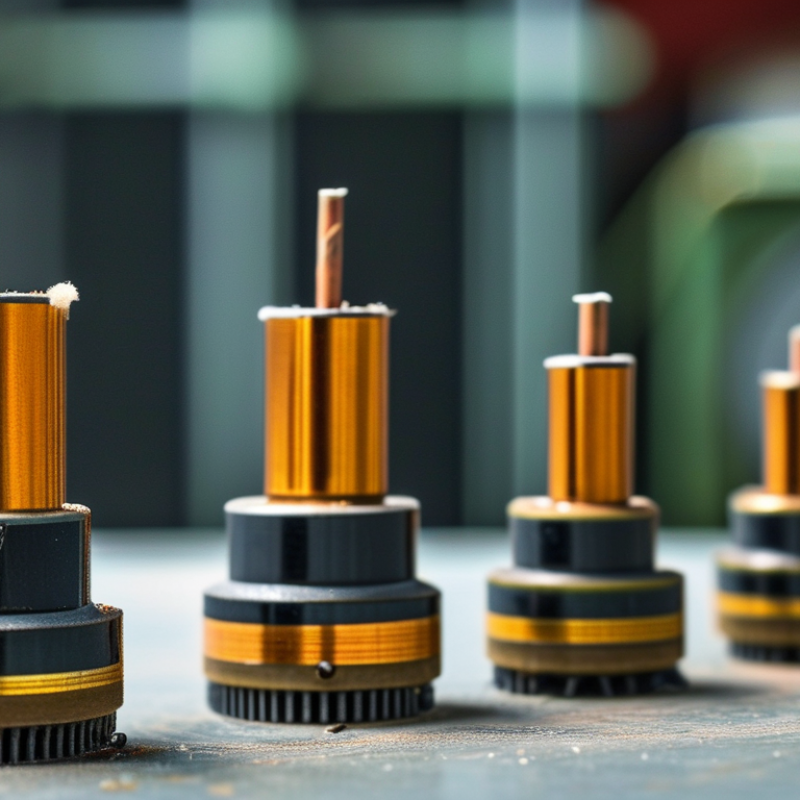
Common Mini DC Motor Maintenance Issues You Should Know?

Common Wear and Tear in Mini DC Motors

Mini DC motors are widely used in various applications, from toys to robotics. Understanding their common wear and tear is crucial for effective maintenance. One prevalent issue is brush wear. As brushes make contact with the commutator, they can wear down over time, leading to inconsistent motor performance. A report from the International Electrotechnical Commission highlights that brush life can vary significantly, often ranging from 500 to 10,000 hours of operation, depending on the load.

Another common problem is bearing failure. Bearings reduce friction and support the rotor. As they age, they can develop wear-related issues. This affects efficiency and can cause the motor to overheat. According to the IEEE Transactions on Industrial Electronics, up to 30% of motor failures can be traced back to bearing problems. Periodic lubrication can mitigate this issue, but it requires regular monitoring. Additionally, contamination can exacerbate wear, highlighting the need for a clean operating environment.

Vibration is a less visible yet critical issue. It can arise from misalignment or imbalance, leading to mechanical stress. Experts suggest that even minor vibrations can shorten a motor’s life. Regular checks for vibrations and misalignment can enhance longevity. While maintenance is often neglected, addressing these wear and tear issues proactively can save costs and extend the lifespan of mini DC motors.

Signs Indicating Mini DC Motor Failure

Mini DC motors are popular in various applications due to their compact size and efficiency. However, they are prone to specific failures that can affect performance. Recognizing the signs of potential motor failure is crucial for timely maintenance. Common indicators include unusual noises, such as grinding or rattling. These sounds often suggest internal damage or misalignment, which can lead to complete motor failure if neglected.

Another key sign is overheating. While all motors can get warm during operation, excessive heat may signal issues. According to industry data, motors should operate below a temperature threshold of 80 degrees Celsius. If temperatures exceed this limit consistently, it may result in insulation breakdown, reducing motor lifespan. Additionally, a drop in speed or reduced torque can indicate wear and tear on components, impacting functionality.

Vibration can also be a problematic sign. If a motor vibrates excessively, it may be misaligned or have worn bearings. Regular monitoring can help prevent catastrophic failures. Many studies emphasize the importance of early detection. Addressing these symptoms promptly can save costs on replacements and improve system reliability. A proactive approach to maintenance is essential in every industry utilizing mini DC motors.

Common Mini DC Motor Failure Signs

Essential Lubrication Techniques for Mini DC Motors

Mini DC motors are essential in numerous applications, from robotics to consumer electronics. Proper maintenance is crucial for optimal performance. One key aspect is lubrication. Reports indicate that up to 30% of motor failures are due to inadequate lubrication. The choice of lubricant can drastically affect the lifespan of these motors.

For effective lubrication, many experts suggest using light oils or greases designed for electric motor applications. These lubricants penetrate well and reduce friction efficiently. It's essential to apply the right amount. Over-lubricating can attract dust and dirt, leading to a buildup that hampers performance. Regular inspection is necessary to detect any signs of wear or contamination.

Consider testing lubricants periodically. This can help in adjusting the lubricating intervals according to the operating conditions. In environments with high dust or heat, different lubrication strategies may be needed. Finding the right balance often requires some trial and error. Keeping records of lubrication activities might reveal patterns. Understanding these details can significantly enhance the reliability and longevity of mini DC motors.

Preventive Maintenance Tips for Mini DC Motors

Mini DC motors are widely used in various applications, but they often face maintenance challenges. Understanding preventive maintenance tips can significantly enhance their longevity and efficiency. Regular inspection is crucial. Monitoring the motor for noise and vibration can indicate internal issues. According to a report from the International Electrotechnical Commission, nearly 30% of motor failures are linked to improper maintenance.

Lubrication is another essential aspect. However, over-lubrication can attract dust and dirt, leading to more significant problems. Maintaining a clean environment around the motor can reduce contamination. A study from the American Society of Mechanical Engineers shows that proper cleaning can extend the lifespan of equipment by 20%.

Temperature management is vital for the motor's performance. High temperatures can cause insulation damage. A thermographic survey can help identify hotspots within the motor. In a survey by the Electrical Apparatus Service Association, about 25% of failed motors showed signs of thermal stress. Keeping a consistent operating temperature helps prevent these issues. Regular checks can mitigate these risks, ensuring reliable operation in various uses.

Troubleshooting Common Issues in Mini DC Motors

Mini DC motors are popular in various applications, but they often face common issues. Understanding these problems can help you troubleshoot effectively. Noise is a frequent concern; it usually indicates wear in the bearings. A buzzing or grinding sound may suggest misalignment. Regularly check for debris or dirt that may obstruct smooth operation. Keeping the motor clean is key to maintaining performance.

Another common issue is overheating. This can occur due to continuous operation or overloading. It's essential to assess the load requirements for your specific use. Inspecting connections and ensuring proper voltage can also prevent overheating. If the motor gets too hot to touch, it might be time for a break.

Lastly, poor performance might arise from insufficient lubrication. Check that the gears and bearings are well greased. You might find that using the right lubricants can dramatically extend your motor's life. Remember, no motor is perfect. Regular checks and maintenance reflect your commitment to quality performance.

FAQS

: What is a common issue with mini DC motors?

: Brush wear is common. It leads to inconsistent motor performance over time.

How long can brush life last?

Brush life varies significantly, ranging from 500 to 10,000 hours based on the load condition.

What causes bearing failure in motors?

Aging bearings develop wear-related issues that affect efficiency and cause overheating.

How can I prevent bearing issues?

Regular lubrication and monitoring can help, but it requires consistent attention.

What is vibration’s impact on mini DC motors?

Vibration can shorten a motor's life due to misalignment or imbalance.

How often should I inspect my mini DC motor?

Regular inspections for noise and vibration can help identify internal issues early.

Can over-lubrication be an issue?

Yes, it can attract dust and dirt, leading to more significant motor problems.

Why is temperature management important?

High temperatures can damage insulation. Maintaining consistent temperatures prevents these issues.

How can I check for temperature problems?

A thermographic survey can identify hotspots, helping manage operational temperatures.

Can a clean environment impact motor lifespan?

Yes, proper cleaning can extend equipment lifespan by about 20%, reducing contamination.

Conclusion

Mini DC motors are essential components in various applications, but they often face maintenance challenges. Understanding what are common mini DC motor maintenance issues can help users extend the lifespan of their motors. Common wear and tear includes brush wear and bearing degradation, both of which can hinder motor performance. Signs of failure may manifest as unusual noises, overheating, or erratic movement, indicating that immediate attention is required.

To keep mini DC motors running smoothly, essential lubrication techniques should be employed, ensuring that moving parts are well-greased to minimize friction. Preventive maintenance practices, such as regular inspections and cleaning, can significantly reduce the likelihood of major issues. Additionally, troubleshooting common problems like misalignment and electrical failures can help in identifying and rectifying issues before they escalate. By being proactive, users can maintain optimal performance and prolong the operational life of their mini DC motors.

Ethan

Ethan

Ethan is a seasoned marketing professional with a deep expertise in our company's innovative product line. With a passion for sharing knowledge and insights, he takes the lead in regularly updating our corporate blog, where he explores industry trends, product features, and effective marketing......