How to Choose the Best Mini Motor Supplier for Your Needs?

Time:2026-07-11 Author:Ethan
0%

Choosing the right mini motor supplier is crucial for your project's success. A reliable supplier can make a difference in performance and efficiency. However, many factors play into this decision.

When considering what should buyers look for in a mini motor supplier, quality tops the list. You need motors that meet your specifications. A supplier's experience and expertise in the field also matter. Look for suppliers with a proven track record and industry knowledge.

Additionally, communication is vital. A transparent supplier will provide timely updates and support. Evaluate their customer service. Take note of how they handle inquiries and concerns. It’s not enough to find a motor that fits; the relationship with your supplier is just as important. A good partnership can lead to better solutions.
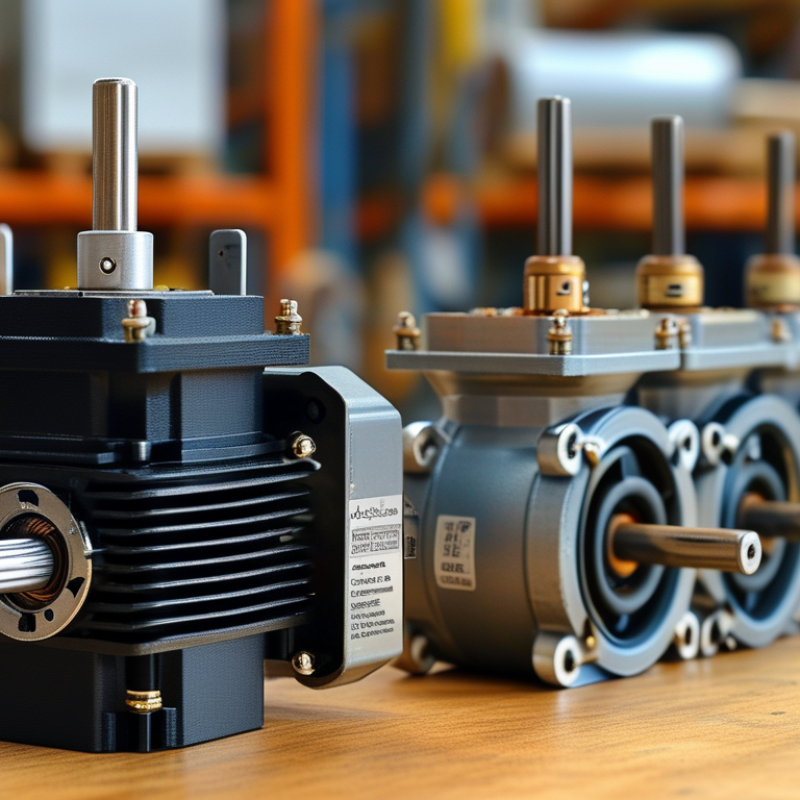
How to Choose the Best Mini Motor Supplier for Your Needs?

Understanding Your Mini Motor Requirements and Applications

Choosing the right mini motor supplier starts with understanding your specific requirements. Each application demands different motor specifications. For instance, a report by the International Electrotechnical Commission (IEC) indicates that over 40% of motor applications require precise control of speed and torque. This means your choice should align with operational needs.

Consider the environment in which the motor will operate. Ambient temperature, humidity, and dust levels can significantly impact motor performance. Research shows that about 30% of motor failures are linked to unsuitable environmental conditions. Therefore, identifying the precise conditions can guide you in selecting a motor that withstands wear and tear.

Additionally, reliability is crucial. A study from the National Renewable Energy Laboratory (NREL) highlights that reliable motors lead to an estimated reduction of 15-20% in maintenance costs. This makes it essential to prioritize suppliers known for durability. Reflecting on your unique needs will pave the way for successful procurement, ultimately leading to improved operational efficiency.

How to Choose the Best Mini Motor Supplier for Your Needs? - Understanding Your Mini Motor Requirements and Applications

Dimension Requirement Application Power (W) Voltage (V) Speed (RPM)
Compact Size Low space availability Robots 30 12 3000
Medium Size Moderate loading Conveyor Systems 100 24 1500
Large Size High torque requirement Electric Vehicles 500 48 1000
Micro Size Miniaturized applications Drones 10 5 8000

Identifying Key Features and Specifications for Mini Motors

When selecting a mini motor, key features and specifications are paramount. Start by assessing power requirements. This includes voltage, current rating, and torque characteristics. These specifications must align with your application needs. A mismatch can hinder performance or efficiency.

Another critical factor is the motor’s size and weight. Compact dimensions are often necessary for portable devices. Ensure the motor can fit within your design constraints. Also, consider the operating environment. Evaluate factors like temperature, humidity, and potential exposure to dust or liquids. Transmission methods like gears or belts can affect efficiency.

Lastly, look into the motor's lifecycle and reliability. An efficient mini motor should offer durability with minimal maintenance. Research the supplier’s history in providing parts and support. Their reliability can significantly impact your operations. Reflections on these criteria will lead to better choices in the long run. A well-informed decision can steer you toward a supplier that meets your needs effectively.

Mini Motor Supplier Comparison: Key Features and Specifications

Researching Potential Suppliers and Their Market Reputation

When selecting a mini motor supplier, examining their market reputation is crucial. Begin by analyzing customer reviews and ratings across various platforms. According to a report from the Global Industry Analysts, trust in supplier reliability can directly impact production efficiency by 30%. This underscores the need for thorough research.

Check for industry certifications, as these indicate compliance with quality standards. Reports suggest that suppliers with certifications tend to have lower defect rates. In fact, 78% of manufacturers prefer suppliers with ISO certifications, reflecting higher quality assurance. Contacting current and former clients for feedback can also yield insights, but results may vary. Some clients may hold biases based on their experiences, which is worth noting.

Stay alert to potential red flags. A lack of transparency or unwillingness to share information can indicate problems. Industry data suggest that about 20% of suppliers may misrepresent their capabilities. Engaging in conversations with potential suppliers can unveil their true operational capacity. Communication quality often reflects future partnership potential. Being diligent in your supplier research can make a significant difference in your operations.

Evaluating Supplier Quality, Reliability, and Customer Support

When selecting a mini motor supplier, evaluating their quality and reliability is crucial. According to industry reports, around 70% of production errors stem from poor supplier choices. This statistic highlights the importance of assessing a supplier's manufacturing processes. Ensure they comply with international quality standards, such as ISO certifications. A reliable supplier should also provide documentation on testing standards and results.


Customer support is another vital element. Research indicates that businesses often lose 20% of customers due to poor service. A trustworthy supplier should offer responsive support, clear communication, and after-sales help. Ask about their policies on returns and handling defective products. Reliable support can significantly reduce downtime in your own operations.


Tips: Look for reviews from other clients. This can reveal insights into their responsiveness and ongoing support. Ask for samples before making a larger order. Ensuring product consistency can prevent potential misunderstandings. Consider the geographical location of the supplier, as this affects delivery times and shipping costs. Choosing a local supplier might offer immediate benefits in communication and logistics.

Comparing Pricing and Warranty Options Among Suppliers

When selecting a mini motor supplier, pricing and warranty options are critical factors. A thorough comparison can reveal significant differences between suppliers. Some offer attractive initial pricing but skimp on quality. Others may have a higher upfront cost, but their durability can save money in the long run. Analyzing these aspects requires careful consideration of your specific needs.

Warranty options provide insight into a supplier’s confidence in their product. A longer warranty often indicates reliability. However, it’s essential to read the fine print. Some warranties may have restrictions that limit your protection. Evaluate what is covered and for how long. Ask for clarification on terms. Reliable suppliers should be transparent.

Another consideration is how flexible the pricing structure is. Can you negotiate? Are bulk discounts available? Assessing these factors is crucial as they can affect your overall budget. Take time to seek out customer reviews. Sometimes, experiences shared online can reveal what you might not see upfront. Don't rush the decision. Gathering as much information as possible can lead to a more informed choice.

FAQS

: What should I consider when choosing a mini motor supplier?

: Understand specific requirements for your application. Each motor requires different specifications based on use.

How does the environment affect mini motor performance?

Ambient temperature, humidity, and dust levels can impact performance. Around 30% of motor failures are linked to unsuitable conditions.

Why is reliability important in mini motors?

Reliable motors can reduce maintenance costs by 15-20%. Choosing a durable supplier is essential for efficiency.

How can customer reviews help in selecting a supplier?

Analyzing reviews shows market reputation. Trust in a supplier can boost production efficiency by 30%.

What role do industry certifications play in selecting a mini motor supplier?

Certifications indicate compliance with quality standards. Suppliers with certifications typically have lower defect rates.

Why should I reach out to current or former clients of a supplier?

Feedback from others can provide insights. Be cautious; experiences may vary and be biased.

What are some red flags when researching suppliers?

Lack of transparency or reluctance to share details may indicate issues. Around 20% might misrepresent their capabilities.

How can I assess a supplier’s communication quality?

Engaging in conversations can reveal their operational capacity. Good communication often hints at potential partnership success.

What is the impact of operational needs on motor selection?

Over 40% of applications need precise control of speed and torque. Align your choice with your operational needs.

Is it important to reflect on my unique needs when selecting a supplier?

Yes, reflecting on unique needs helps in successful procurement and improved efficiency. Don't overlook this step.

Conclusion

When selecting a mini motor supplier, buyers should first understand their specific requirements and applications to ensure that the motor fits their intended use. Key features and specifications of mini motors, such as power, size, efficiency, and compatibility, must be clearly identified. This understanding is crucial as it guides the selection process and narrows down potential suppliers.

What should buyers look for in a mini motor supplier includes researching the supplier's market reputation, evaluating the quality and reliability of their products, and assessing the level of customer support they offer. Additionally, comparing pricing and warranty options will help buyers make an informed decision that aligns with their budget and needs. These steps will equip buyers with the necessary information to choose a supplier that meets their demands effectively.

Ethan

Ethan

Ethan is a seasoned marketing professional with a deep expertise in our company's innovative product line. With a passion for sharing knowledge and insights, he takes the lead in regularly updating our corporate blog, where he explores industry trends, product features, and effective marketing......