Top 10 Benefits of Mini Motors in Industrial Automation?

Time:2026-08-25 Author:Amelia
0%

In the realm of industrial automation, mini motors play a crucial role. These compact devices offer remarkable benefits that enhance efficiency and precision. Understanding how do mini motors support industrial automation reveals their significance in modern manufacturing processes.

Mini motors are not just smaller versions of traditional motors; they are specifically designed for versatility. Their compact size allows for integration into tight spaces. This characteristic enables automation solutions that were previously challenging. Another notable benefit is their energy efficiency. These motors consume less power while delivering high performance. This feature often results in lower operational costs.

Furthermore, mini motors contribute to improved system reliability. Their durability ensures longer service life, reducing downtime. As industries continue to adopt advanced technologies, the demand for mini motors will likely increase. The future of automation may depend heavily on innovations in mini motor technology, reflecting a need for ongoing development in this field.
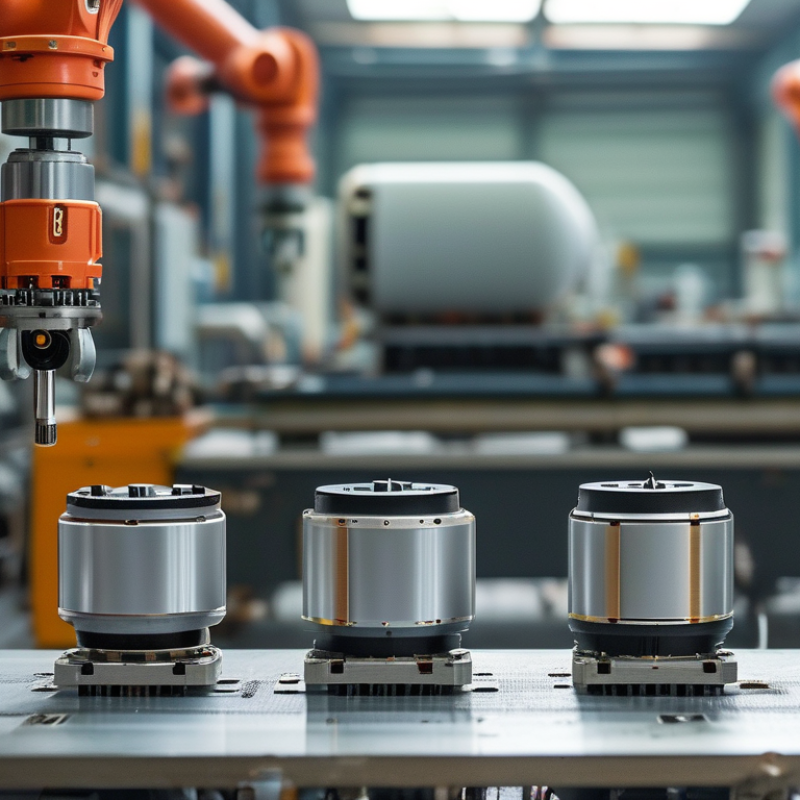
Top 10 Benefits of Mini Motors in Industrial Automation?

Advantages of Mini Motors in Improving Energy Efficiency

Mini motors are transforming the landscape of industrial automation by significantly enhancing energy efficiency. These compact devices consume less power while delivering effective performance. Their smaller size allows for easier integration into existing systems without requiring major modifications. This ease of integration saves both time and resources.

The high torque delivered by mini motors at lower speeds contributes to reduced energy consumption. This is particularly beneficial in applications such as conveyors and robotics, where controlled motion is paramount. As industries strive for sustainability, the energy savings provided by mini motors can lead to lower operational costs. However, it is essential to assess load requirements carefully. Overlooking the right specifications can result in inefficient performance.

The integration of mini motors also encourages innovation in design. Their lightweight nature opens new possibilities for complex machinery and automation solutions. Still, relying solely on mini motors may not always be the best approach. A balanced evaluation that considers various motor types can lead to more effective energy savings overall. Transitioning to mini motors should be part of a broader energy efficiency strategy, not a standalone solution.

Role of Mini Motors in Enhancing Precision and Control

Mini motors play a crucial role in advancing precision and control in industrial automation. These compact devices deliver high efficiency in operations that demand accurate movements. Their small size allows for installation in tight spaces, which is essential in complex machinery. Engineers often rely on mini motors to achieve tight tolerances in applications such as robotics and CNC machining. The ability to fine-tune motor performance enhances the overall workflow.

Control mechanisms integrated within mini motors facilitate responsive adjustments during operation. This leads to better handling of real-time data, enabling quick adaptations to changing demands. Furthermore, mini motors maintain a high level of reliability under varying conditions. However, there can be challenges, such as overheating or wear over prolonged use. Continuous monitoring is often required to mitigate these issues.

Investing in mini motors can yield significant improvements in operational precision, but users must ensure they understand the limitations. Regular maintenance is key to sustaining performance over time. Knowledge of how these motors behave under different conditions becomes essential for engineers tasked with maximizing efficiency. In essence, while the advantages of mini motors in enhancing precision are clear, an ongoing commitment to understanding their functionality is vital for success.

Impact of Mini Motors on Reducing Machine Footprint

In the realm of industrial automation, mini motors play a crucial role in optimizing machine designs. Their compact size significantly reduces the overall footprint of machinery. According to a report by the International Journal of Advanced Manufacturing Technology, implementing mini motors can cut machine footprints by up to 30%. This small size doesn't compromise performance. In fact, mini motors often deliver comparable power to larger counterparts, thereby enhancing efficiency while minimizing space usage.

Additionally, the integration of mini motors contributes to energy efficiency. A study conducted by the U.S. Department of Energy reveals that compact motor systems can yield energy savings of 15-20% compared to traditional motors. This is particularly significant in industries facing rising energy costs. However, reliance on mini motors requires careful consideration of load management. Improper application can lead to overheating or inefficiency, thus challenging the very benefits these motors provide.

The trend towards miniaturization in industrial automation demands an evaluation of design practices. While the advantages are substantial, engineers must address potential limitations, such as torque output and thermal management. A balanced approach is essential for maximizing the benefits of mini motors while avoiding pitfalls. Investing in training and simulation can help in achieving optimal results in machine design and operation.

Cost Savings with Mini Motors in Manufacturing Processes

Mini motors are becoming a vital element in industrial automation due to their cost-effectiveness in manufacturing processes. According to a recent industry report, mini motors can reduce operational costs by up to 30% compared to traditional motors. This reduction stems from their energy efficiency and compact size, which minimizes material costs and energy consumption. In precision tasks, these motors excel, allowing manufacturers to achieve higher speeds without sacrificing accuracy.

However, incorporating mini motors isn't always straightforward. There are challenges regarding their integration into existing systems. Compatibility issues can arise, potentially leading to downtime. A survey from the Automation Industry Association revealed that 25% of companies face operational disruptions during motor upgrades. Despite these hurdles, the long-term savings from lower maintenance costs and enhanced productivity often outweigh the initial challenges.

Moreover, as the industry evolves, the trend toward miniaturization in motors continues. Collectively, manufacturers can save millions annually by adopting these innovative technologies. However, selecting the right motor for specific applications requires careful consideration of load capacity and power requirements. Each production line is unique. What works for one may not fit another, necessitating a tailored approach.

Mini Motors: Key to Versatile Automated Solutions

Mini motors play a crucial role in shaping versatile automated solutions across various industries. Their compact size allows for easy integration into tight spaces. This versatility opens up opportunities for automation in applications like robotics, conveyor systems, and assembly lines. By incorporating mini motors, manufacturers can achieve more precise control and enhance the efficiency of intricate systems.

One critical advantage of mini motors is their ability to operate effectively in diverse environmental conditions. They are designed to withstand vibrations and fluctuating temperatures. This resilience is particularly valuable in sectors such as automotive and food processing, where reliability is non-negotiable. Such features empower businesses to streamline their operations while reducing downtime.

Reflecting on the implementation of mini motors, it is essential to consider the compatibility with existing systems. Not every application will see immediate benefits. Conducting a thorough analysis of system requirements ensures that mini motors provide the desired outcomes. Moreover, maintaining regular inspections and updates can prevent performance issues. This vigilance helps maximize investment and drive long-term success in automation initiatives.

Top 10 Benefits of Mini Motors in Industrial Automation

FAQS

: What are the main benefits of using mini motors in manufacturing?

: Mini motors can reduce operational costs by up to 30%. They are energy-efficient and save on material costs.

How do mini motors affect operational efficiency?

They enable higher speeds in precision tasks, improving overall productivity without compromising accuracy.

Are there challenges when integrating mini motors?

Yes, compatibility issues can lead to downtime during motor upgrades for some companies.

What percentage of companies face disruptions during upgrades?

Around 25% of companies reportedly experience operational disruptions when upgrading motors.

Why is load capacity important when selecting mini motors?

Choosing the right motor depends on the specific application, load capacity, and power requirements of each production line.

In what environments do mini motors perform effectively?

They withstand vibrations and temperature fluctuations, making them suitable for automotive and food processing sectors.

How can businesses maximize the benefits of mini motors?

Regular inspections and system updates can prevent performance issues and ensure mini motors operate effectively.

Do mini motors work for every application?

Not necessarily. Each application is unique, and benefits may vary, needing careful evaluation beforehand.

What is required for successful automation with mini motors?

A tailored approach focusing on system compatibility and regular maintenance is crucial for long-term success.

Can the adoption of mini motors lead to significant cost savings?

Yes, manufacturers can save millions annually through enhanced efficiency and reduced maintenance costs.

Conclusion

Mini motors play a crucial role in industrial automation by enhancing energy efficiency and providing precise control. By utilizing mini motors, manufacturers can optimize their operations, significantly reducing energy consumption while maintaining the accuracy of machinery. This improvement not only leads to better performance but also minimizes the overall machine footprint, allowing for more compact designs in industrial settings.

Moreover, mini motors contribute to substantial cost savings in manufacturing processes. Their versatility enables the creation of automated solutions that cater to a wide range of applications, thereby streamlining production workflows. In summary, understanding how do mini motors support industrial automation reveals their essential function in driving efficiency, precision, and cost-effectiveness within the industry.

Amelia

Amelia

Amelia is a seasoned marketing professional with a wealth of expertise in our company’s core offerings. With an unwavering passion for driving growth and innovation, she plays a pivotal role in shaping our marketing strategies and enhancing brand visibility. A key aspect of her responsibilities......